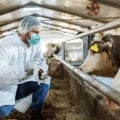
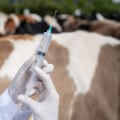
Musculoskeletal issues in livestock represent a significant concern for farmers and veterinarians alike, as they can severely impact the overall health and productivity of animals. These conditions, which include injuries to bones, muscles, tendons, and ligaments, can arise from various factors such as improper handling, inadequate housing, and even genetic predispositions. Understanding these issues is crucial for anyone involved in livestock health services, as early detection and intervention can prevent more severe complications. Common livestock injuries often manifest as lameness, stiffness, or reluctance to move, which can lead to decreased feed intake and lower weight gain. For instance, cattle may suffer from conditions like laminitis or joint injuries, while horses might experience tendonitis or fractures.
These ailments not only affect the individual animal but can also have a ripple effect on the entire herd's productivity and welfare. Therefore, recognizing the signs of musculoskeletal issues is essential for maintaining a healthy livestock operation. Moreover, the economic implications of musculoskeletal problems cannot be overlooked. The costs associated with veterinary care, treatment, and potential loss of productivity can add up quickly. This makes it imperative for livestock owners to invest in preventive measures and effective management strategies.
By prioritizing livestock health services, farmers can ensure their animals remain healthy and productive, ultimately leading to a more sustainable farming operation.
The Importance of Livestock Health Services
Maintaining the health of livestock is crucial for both animal welfare and farm productivity.Livestock health services
play a vital role in preventing and managing common musculoskeletal issues that can affect animals such as cattle, sheep, and pigs. Regular veterinary care is essential to identify potential problems early and implement effective treatment plans.One of the primary benefits of veterinary care for livestock is the ability to conduct routine check-ups. These check-ups allow veterinarians to assess the overall health of the animals, monitor their movement, and identify any signs of discomfort or pain that may indicate musculoskeletal issues.Early detection can lead to timely interventions, which can significantly improve recovery outcomes.
- Preventive Care: Regular vaccinations, deworming, and nutritional assessments are part of comprehensive livestock health services that help prevent diseases that could lead to musculoskeletal problems.
- Nutrition Management: A balanced diet tailored to the specific needs of different livestock species can strengthen bones and muscles, reducing the risk of injuries.
- Exercise and Environment: Ensuring that livestock have adequate space to move and exercise is crucial. A well-designed living environment can prevent injuries related to overcrowding or poor footing.
- Professional Guidance: Access to veterinary expertise allows farmers to implement best practices in animal husbandry, which can mitigate risks associated with musculoskeletal disorders.
Common Musculoskeletal Issues in Livestock
Musculoskeletal issues in livestock can significantly impact their overall health and productivity. These problems often arise from a combination of factors, including genetics, environment, and management practices.Understanding the common types of injuries and their symptoms is essential for effective prevention and control.
- Types of Musculoskeletal Issues:
- Lameness: This is one of the most prevalent issues, often caused by injuries to the joints, tendons, or ligaments. Lameness can result from overexertion, poor hoof care, or infections.
- Arthritis: Inflammation of the joints can lead to chronic pain and reduced mobility. It is often seen in older animals or those with a history of joint injuries.
- Fractures: These can occur due to falls, accidents, or excessive stress on bones. Fractures require immediate veterinary attention to prevent further complications.
- Soft Tissue Injuries: Strains and sprains in muscles and ligaments are common in livestock that engage in vigorous activities or are not properly conditioned.
Signs of Musculoskeletal Problems:
- Reluctance to move or bear weight on a limb
- Swelling or heat in joints
- Changes in gait or posture
- Behavioral changes such as increased aggression or withdrawal
- Visible signs of pain, such as limping or vocalizing when moving
Regular monitoring and proper management practices are crucial for maintaining livestock health services. This includes providing adequate nutrition, ensuring safe living conditions, and implementing routine veterinary check-ups to catch potential issues before they escalate.
Preventive Measures for Musculoskeletal Health
Maintaining the musculoskeletal health of livestock is crucial for their overall well-being and productivity. Implementing preventive measures can significantly reduce the risk of common musculoskeletal issues. Here are some effective strategies:- Proper Nutrition: A balanced diet rich in essential nutrients is vital for strong bones and muscles.
Ensure that livestock receive adequate amounts of calcium, phosphorus, and vitamin D, which are critical for bone health. Incorporating high-quality forage and mineral supplements can help meet these nutritional needs.
- Regular Exercise: Providing ample space for movement encourages natural behaviors and helps maintain muscle tone and joint flexibility. Regular exercise can prevent stiffness and reduce the risk of injuries. Consider rotational grazing systems that promote active movement among livestock.
- Environmental Management: The living conditions of livestock play a significant role in their musculoskeletal health.
Ensure that housing is spacious, clean, and free from hazards that could lead to slips or falls. Soft bedding can also reduce stress on joints.
- Routine Health Checks: Regular veterinary check-ups are essential for early detection of potential musculoskeletal issues.
Livestock health services
can provide valuable insights into the overall health status of your animals and recommend preventive care tailored to their specific needs.
Control Strategies for Existing Musculoskeletal Issues
Managing existing musculoskeletal issues in livestock requires a comprehensive approach that combines veterinary intervention, appropriate treatment options, and effective rehabilitation techniques. Early detection and prompt action are crucial in minimizing the impact of these conditions on livestock health.Treatment Options for Livestock Injuries
- Medication: Non-steroidal anti-inflammatory drugs (NSAIDs) can help reduce pain and inflammation in affected animals.
Always consult a veterinarian for the appropriate dosage and type of medication.
- Physical Therapy: Techniques such as massage, stretching, and hydrotherapy can aid in recovery. These methods improve circulation and promote healing in injured muscles and joints.
- Supportive Devices: In some cases, using splints or braces can provide necessary support to injured limbs, allowing for better mobility while healing.
Rehabilitation Techniques
- Controlled Exercise: Gradual reintroduction of movement is essential. Start with short, controlled sessions to prevent further injury while encouraging muscle strength and flexibility.
- Nutritional Support: A balanced diet rich in vitamins and minerals is vital for recovery. Ensure that livestock receive adequate protein and calcium to support bone and muscle health.
- Environmental Modifications: Providing a safe, comfortable environment can reduce stress on injured animals.
Soft bedding and non-slippery surfaces can help prevent further injuries during recovery.
The Role of Technology in Livestock Health Management
In recent years, the integration of technology into livestock health services has revolutionized the way farmers and veterinarians manage the health of their animals, particularly in addressing common musculoskeletal issues. Innovations such as telemedicine and wearable health monitoring devices are at the forefront of this transformation.Telemedicine
has emerged as a vital tool in livestock health management.
It allows veterinarians to conduct remote consultations, enabling them to assess and diagnose musculoskeletal problems without the need for physical presence. This not only saves time but also reduces stress on the animals, which can be particularly beneficial for those with mobility issues. Farmers can easily share real-time data and images of their livestock, facilitating quicker decision-making and treatment plans.Another significant advancement is the use of wearable health monitoring devices. These devices can track various health metrics, including movement patterns, temperature, and heart rate.
By analyzing this data, farmers can identify early signs of musculoskeletal problems, such as lameness or discomfort. For instance, if a cow's activity level drops significantly, it may indicate pain or injury, prompting immediate intervention.Moreover, digital tools for animal care are becoming increasingly sophisticated. Applications that integrate with these wearable devices can provide farmers with insights into herd health trends over time. This data-driven approach allows for proactive management strategies that can prevent issues before they escalate.In addition to monitoring and diagnostics, technology also plays a role in treatment.
Innovations in veterinary services include advanced imaging techniques and robotic-assisted surgeries that enhance precision in treating musculoskeletal injuries. These technologies not only improve recovery times but also increase the overall effectiveness of treatments.As technology continues to evolve, its role in livestock health services will undoubtedly expand, offering new solutions to prevent and control common musculoskeletal issues in livestock. Embracing these innovations is essential for farmers aiming to maintain optimal animal welfare and productivity.
Frequently Asked Questions about Livestock Musculoskeletal Health
Understanding musculoskeletal health in livestock is crucial for maintaining overall livestock health services. Here are some frequently asked questions that can help farmers and livestock owners manage these issues effectively.What are the common musculoskeletal issues in livestock?
Common musculoskeletal issues include:- Lameness: Often caused by injuries, infections, or structural problems.
- Arthritis: Inflammation of joints that can lead to pain and reduced mobility.
- Muscle Strains: Resulting from overexertion or improper handling.
- Osteochondritis Dissecans: A joint condition that can affect young animals.
How can I prevent musculoskeletal issues in my livestock?
Preventive measures include:- Regular Veterinary Check-ups: Schedule routine examinations with your veterinarian to catch potential issues early.
- Proper Nutrition: Ensure a balanced diet rich in vitamins and minerals to support bone and joint health.
- Safe Handling Practices: Train staff on proper techniques to minimize stress and injury during handling.
- Exercise and Space: Provide adequate space for movement to promote healthy muscle development and joint function.
What should I do if I notice signs of musculoskeletal problems?
If you observe any signs such as limping, swelling, or reluctance to move, it is essential to:- Consult a Veterinarian: Early intervention can prevent further complications.
- Isolate Affected Animals: To prevent the spread of potential infectious conditions.
- Monitor Behavior: Keep an eye on their eating habits and overall demeanor for any changes.
Conclusion: Ensuring Optimal Musculoskeletal Health in Livestock
In conclusion, maintaining optimal musculoskeletal health in livestock is crucial for ensuring their overall well-being and productivity.Throughout this article, we have explored various strategies that can be implemented to prevent and control common musculoskeletal issues. First and foremost, regular veterinary check-ups are essential. These health services not only help in early detection of potential problems but also provide tailored advice on nutrition and exercise that can significantly reduce the risk of musculoskeletal disorders. Additionally, proper housing conditions play a vital role. Ensuring that livestock have adequate space to move freely can prevent injuries and promote better joint health. Furthermore, the use of soft bedding materials can alleviate pressure on joints, particularly for older animals or those with existing conditions. Nutrition is another critical factor.
A balanced diet rich in essential nutrients such as calcium, phosphorus, and vitamin D supports bone strength and overall musculoskeletal health. Regularly consulting with a livestock nutritionist can help in formulating diets that meet the specific needs of different species and life stages. Moreover, implementing exercise programs tailored to the species and age of the livestock can enhance muscle strength and flexibility, reducing the likelihood of injuries. Activities should be designed to encourage natural behaviors while avoiding overexertion. Lastly, it is important to foster a culture of awareness among livestock handlers regarding the signs of musculoskeletal issues. Training programs that educate staff on recognizing early symptoms can lead to timely interventions, ultimately improving animal welfare. By integrating these strategies into routine livestock management practices, farmers can significantly enhance the health and productivity of their animals.
Investing in livestock health services not only benefits the animals but also contributes to the sustainability and profitability of farming operations.