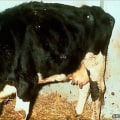
In the realm of livestock health services, understanding the signs of stress or discomfort in animals is crucial for ensuring their well-being and productivity. Livestock, whether they are cattle, sheep, pigs, or poultry, are not just commodities; they are living beings that require proper care and attention. The health of these animals directly impacts not only their quality of life but also the overall efficiency of agricultural operations. By recognizing the early indicators of stress, farmers and veterinarians can implement timely interventions that promote better animal welfare. Effective livestock health services encompass a range of practices aimed at monitoring the physical and psychological states of animals.
This includes regular health check-ups, vaccinations, and nutritional assessments. However, it is equally important to be vigilant about behavioral changes that may signal discomfort. For instance, a sudden increase in vocalizations, changes in eating habits, or unusual aggression can all be red flags indicating that an animal is experiencing stress. Moreover, understanding the importance of animal welfare extends beyond ethical considerations; it is also a matter of economic viability. Healthy livestock are more productive and less prone to disease, which ultimately benefits farmers and consumers alike.
By prioritizing livestock health services and being attuned to the signs of distress, we can foster a more sustainable agricultural environment that respects both animal rights and human needs.
Common Signs of Stress in Livestock
Recognizing the signs of stress in livestock is crucial for maintaining their overall health and productivity. Stress can manifest in various ways, both behaviorally and physically, and early detection can lead to timely intervention through livestock health services.Behavioral Changes
- Aggression or Agitation: Livestock may exhibit increased aggression towards other animals or handlers, indicating discomfort or fear.
- Isolation: Animals that are stressed often separate themselves from the herd, showing signs of withdrawal.
- Restlessness: Frequent pacing or inability to settle down can be a clear indicator of stress.
- Changes in Feeding Habits: A sudden decrease in appetite or refusal to eat can signal distress.
- Vocalizations: Increased vocal sounds, such as bellowing or bleating, may indicate discomfort or anxiety.
Physical Symptoms
- Weight Loss: Prolonged stress can lead to significant weight loss due to reduced feed intake.
- Poor Coat Condition: A dull or unkempt coat may suggest underlying stress or health issues.
- Increased Heart Rate: Elevated heart rates can be a physiological response to stress, observable during routine checks.
- Excessive Sweating: In some species, such as horses, excessive sweating can indicate high levels of stress.
- Digestive Issues: Stress can lead to conditions like colic or diarrhea, which are critical signs that should not be ignored.
Behavioral Indicators of Discomfort
Understanding the behavioral signs of discomfort in livestock is crucial for maintaining their overall health and well-being. Animals often communicate their distress through various behaviors, which can serve as early warning signs for farmers and caretakers. One of the most noticeable indicators is aggression.Livestock that are typically docile may exhibit sudden changes in behavior, such as charging, biting, or head-butting. This can be a response to pain, fear, or competition for resources. Recognizing these changes early can help in addressing the underlying issues before they escalate. Another common sign is withdrawal. Animals may isolate themselves from the herd or group, showing a lack of interest in social interactions or activities they usually enjoy.
This behavior can indicate stress or illness and should prompt further investigation into their environment and health status.Abnormal vocalizations are also significant indicators of discomfort. Livestock may vocalize more than usual or produce sounds that are atypical for their species. For instance, a cow that moos incessantly or a sheep that bleats loudly may be signaling distress due to pain, hunger, or environmental stressors. Other behavioral changes to watch for include:
- Changes in eating habits: A sudden decrease in feed intake can indicate discomfort or illness.
- Pacing or restlessness: Animals that are unable to settle may be experiencing anxiety or discomfort.
- Excessive grooming: This can be a sign of stress, as animals may try to soothe themselves through repetitive actions.
Physical Symptoms to Watch For
Recognizing the physical signs of discomfort in livestock is crucial for maintaining their overall health. Various symptoms can indicate that an animal is experiencing stress or discomfort, and being vigilant can help in early intervention.Changes in Appetite
A significant change in eating habits is often one of the first signs of distress.Livestock that are stressed may:
- Refuse to eat or show a marked decrease in food intake.
- Exhibit selective eating, where they only consume certain types of feed.
- Display signs of agitation during feeding times, such as pacing or vocalizing.
Weight Loss
Weight loss can be a direct consequence of reduced appetite or underlying health issues. Monitoring weight regularly can help identify:- Sudden weight loss, which may indicate severe stress or illness.
- Gradual weight loss, often a sign of chronic stress or inadequate nutrition.
Abnormal Posture and Movement
The way livestock stand or move can also reveal their state of well-being. Look for:- Hunched backs, which may indicate pain or discomfort.
- Lethargy, where animals are less active than usual.
- Unusual gait, such as limping or reluctance to move, which could signal injury or illness.
Environmental Factors Contributing to Stress
Understanding the environmental factors that contribute to stress in livestock is crucial for maintaining optimal livestock health services.Various elements in their surroundings can significantly impact their well-being.
Housing Conditions
- Inadequate space can lead to overcrowding, which increases competition for resources and can result in aggressive behavior among animals.
- Poor ventilation in barns or enclosures can trap heat and moisture, leading to respiratory issues and discomfort.
- Unsanitary conditions can promote the spread of disease, further exacerbating stress levels in livestock.
Temperature Extremes
- Livestock are particularly sensitive to temperature fluctuations. High temperatures can lead to heat stress, causing animals to become lethargic and reducing their feed intake.
- Conversely, cold weather can result in hypothermia, especially in young or weakened animals. Providing adequate shelter and bedding is essential to mitigate these risks.
Social Dynamics
- The social structure within a herd can also influence stress levels. Animals that are isolated or bullied may experience heightened anxiety.
- Introducing new animals into an established group can disrupt social hierarchies, leading to increased aggression and stress until a new order is established.
This proactive approach not only enhances the overall health of the livestock but also ensures better productivity and welfare outcomes.
The Role of Nutrition in Livestock Health
Proper nutrition is a cornerstone of livestock health, playing a critical role in preventing stress and discomfort among animals. When livestock receive a balanced diet tailored to their specific needs, they are less likely to exhibit signs of stress, which can manifest in various behavioral and physical symptoms.Understanding Dietary Impact on Animal Behavior
- Inadequate nutrition can lead to irritability and aggression in animals, as they may be competing for limited resources or lacking essential nutrients.
- Animals that are not properly fed may show signs of lethargy or decreased productivity, which can be mistaken for illness.
- A well-balanced diet contributes to overall well-being, reducing the likelihood of stress-related behaviors such as excessive vocalization or pacing.
Feeding Practices for Healthy Livestock
- Implementing a consistent feeding schedule helps establish routine, which can reduce anxiety in livestock.
- Providing access to clean water and high-quality forage is essential; dehydration or poor-quality feed can exacerbate stress levels.
- Regularly assessing the nutritional content of feed and making adjustments based on the specific needs of different livestock species ensures optimal health.
Preventive Measures and Management Strategies
To ensure optimal livestock health and minimize stress, farmers and caretakers should implement a variety of preventive measures and management strategies. These practices not only enhance animal welfare but also improve productivity and overall farm efficiency.Creating a Comfortable Environment
One of the first steps in preventing stress is to provide a comfortable living environment for livestock.This includes:
- Proper Shelter: Ensure that animals have access to adequate shelter that protects them from extreme weather conditions.
- Cleanliness: Maintain clean living spaces to prevent disease and promote health.
- Space Requirements: Provide sufficient space for animals to move freely, reducing competition and aggression.
Nutritional Management
A balanced diet is crucial for maintaining livestock health. Implementing a nutritional management plan can help:- Regular Feeding Schedule: Establish a consistent feeding routine to reduce anxiety related to food availability.
- Quality Feed: Use high-quality feed that meets the specific dietary needs of each species.
- Hydration: Ensure access to clean, fresh water at all times.
Handling Practices
The way livestock are handled can significantly impact their stress levels. Best practices include:- Gentle Handling: Use calm and gentle handling techniques to avoid startling animals.
- Avoiding Overcrowding: Minimize the number of animals in confined spaces during handling to reduce stress.
- Training Staff: Educate staff on low-stress handling techniques to promote animal welfare.
When to Seek Professional Help from Livestock Health Services
Recognizing when to seek professional help from livestock health services is crucial for maintaining the well-being of your animals.While some signs of stress or discomfort may be manageable with basic care, others require immediate veterinary intervention.Here are some key indicators that it may be time to contact livestock health services:
- Persistent Behavioral Changes: If your livestock exhibit unusual behaviors such as excessive vocalization, aggression, or withdrawal from the herd, it may indicate underlying stress or health issues.
- Physical Symptoms: Look for signs like limping, swelling, or unusual discharge. These physical symptoms can signal serious health problems that need professional evaluation.
- Changes in Appetite or Water Intake: A sudden decrease in feed or water consumption can be a red flag. Livestock that are not eating or drinking properly may be experiencing discomfort or illness.
- Weight Loss: Unexplained weight loss over a short period can indicate chronic stress or health issues that require veterinary attention.
- Respiratory Distress: Coughing, labored breathing, or nasal discharge are signs that your livestock may be suffering from respiratory infections or other serious conditions.
Veterinary intervention
can provide critical support in diagnosing and treating health issues before they escalate.Additionally, professionals can offer guidance on best practices for managing stress in your animals, ensuring their welfare and productivity.In summary, being proactive about your livestock's health by recognizing the signs of stress and discomfort is vital. Engaging with livestock health services not only helps address immediate concerns but also contributes to long-term animal welfare and farm productivity.
Frequently Asked Questions about Livestock Stress and Health Services
Understanding the signs of stress in livestock is crucial for maintaining their health and well-being. Here are some frequently asked questions regarding livestock health services and how they relate to animal stress:What are common signs of stress in livestock?
Livestock can exhibit various signs of stress, which may include:- Changes in behavior: Increased aggression, withdrawal from the herd, or unusual vocalizations can indicate stress.
- Physical symptoms: Look for signs such as excessive sweating, rapid breathing, or changes in posture.
- Feeding habits: A sudden decrease in appetite or changes in drinking patterns can signal discomfort.
- Health issues: Stress can lead to more serious health problems, including digestive disorders or weakened immune responses.
How can livestock health services help manage stress?
Livestock health services play a vital role in identifying and mitigating stress factors. Here are some ways they assist:- Regular health assessments: Routine check-ups can help detect early signs of stress and prevent further complications.
- Nutritional guidance: Proper nutrition is essential for reducing stress; health services can provide tailored feeding plans.
- Environmental management: Experts can advise on creating a comfortable living environment that minimizes stressors.
- Emergency care: In cases of severe stress or health crises, prompt veterinary intervention is crucial for recovery.
They can provide the necessary support and resources to ensure your animals remain healthy and comfortable.
Conclusion: Ensuring Optimal Livestock Health through Awareness and Action
In conclusion, recognizing the signs of stress or discomfort in livestock is crucial for maintaining livestock health services and ensuring the overall well-being of your animals. Throughout this article, we have explored various indicators that can signal distress, including changes in behavior, physical appearance, and social interactions. Effective management begins with awareness. By observing your livestock regularly, you can identify subtle changes that may indicate stress. For instance, a sudden increase in vocalizations or a shift in feeding patterns can be early warning signs that something is amiss.Additionally, monitoring the herd's social dynamics can provide insights into potential issues; animals that are isolated or displaying aggressive behavior may be experiencing discomfort. Implementing proactive measures is essential. Here are some key actions to consider:
- Regular Health Assessments: Schedule routine check-ups with a veterinarian to ensure your livestock are healthy and to catch any potential issues early.
- Environmental Management: Ensure that living conditions are optimal, with adequate space, ventilation, and access to clean water and food.
- Stress Reduction Techniques: Employ strategies such as gentle handling and minimizing loud noises to create a calmer environment for your animals.