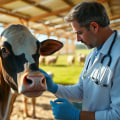
Vaccinations play a crucial role in ensuring the overall health and productivity of livestock. As farmers and ranchers strive to maintain optimal livestock health services, understanding the importance of vaccinations becomes paramount. Vaccines not only protect animals from various infectious diseases but also contribute to the economic viability of livestock operations. By preventing outbreaks, vaccinations help reduce veterinary costs and minimize losses associated with sick animals. The benefits of vaccinations extend beyond individual animals; they also promote herd immunity, which is essential for controlling disease spread within a population.
When a significant portion of the herd is vaccinated, the likelihood of disease transmission decreases, safeguarding both animal and human health. This is particularly important in today’s interconnected world, where zoonotic diseases can have far-reaching implications. Moreover, implementing a comprehensive vaccination program can enhance the overall welfare of livestock. Healthy animals are more productive, yielding better quality meat, milk, and other products that meet consumer demands. As we delve deeper into specific vaccines recommended for various types of livestock, it is essential to recognize that these preventive measures are not just a routine part of animal care; they are a vital investment in the future of sustainable agriculture.
Common Vaccinations Recommended for Livestock
Maintaining livestock health services is crucial for the productivity and well-being of farm animals.Vaccinations play a vital role in preventing diseases that can affect livestock. Here’s a comprehensive overview of the most commonly recommended vaccinations for various types of livestock:
- Cattle:
- Bovine Respiratory Disease (BRD) Vaccine: Protects against pneumonia caused by viral and bacterial pathogens.
- Bovine Viral Diarrhea (BVD) Vaccine: Prevents BVD, which can lead to severe reproductive issues and immunosuppression.
- Clostridial Vaccines: Guard against diseases like blackleg and tetanus, which are caused by Clostridium bacteria.
- Swine:
- Porcine Reproductive and Respiratory Syndrome (PRRS) Vaccine: Reduces the impact of PRRS, a significant cause of reproductive failure and respiratory disease.
- Swine Influenza Vaccine: Helps protect against various strains of the influenza virus affecting pigs.
- Poultry:
- Marek's Disease Vaccine: Essential for preventing this viral disease that can cause tumors and paralysis in chickens.
- Newcastle Disease Vaccine: Protects against a highly contagious viral disease that affects birds worldwide.
- Sheep and Goats:
- Sore Mouth (Orf) Vaccine: Aids in preventing this viral infection that causes sores around the mouth.
- Clostridial Vaccines: Similar to cattle, these vaccines protect against clostridial diseases in small ruminants.
Vaccination Protocols by Livestock Type
Vaccination protocols are essential for maintaining livestock health services and ensuring the well-being of various livestock species.Each type of livestock has unique vaccination needs and schedules that must be adhered to for optimal health.
Cattle Vaccination Protocols
Cattle require a comprehensive vaccination program to protect against common diseases. The following vaccines are typically recommended:- Bovine Respiratory Disease (BRD): Vaccination should begin at 2-3 months of age, with boosters given as needed.
- Clostridial Diseases: A 7-way or 8-way vaccine is recommended at weaning, followed by annual boosters.
- Brucellosis: Heifers should be vaccinated between 4-12 months of age.
Sheep Vaccination Schedule
For sheep, a well-structured vaccination schedule is crucial. Key vaccinations include:- Clostridial Diseases: Administer a 5-way vaccine at weaning, with annual boosters.
- Sore Mouth (Orf): Vaccination is recommended for lambs at 2-3 months of age, especially in flocks with a history of the disease.
Poultry Vaccination Guidelines
Poultry vaccinations are vital for preventing outbreaks in flocks. Recommended vaccinations include:- Marek's Disease: Administered at hatch or day-old chicks.
- Newcastle Disease: Vaccination should occur at 2-4 weeks of age, with follow-up doses as per local guidelines.
Factors Influencing Vaccination Decisions
When it comes to livestock health services, several key factors influence vaccination decisions.Understanding these factors is crucial for effective herd health management and ensuring the well-being of livestock.
- Veterinary Recommendations: One of the primary influences on vaccination decisions is the advice provided by veterinarians. They assess the specific needs of the herd based on factors such as age, species, and existing health conditions. Regular consultations with a veterinarian can help farmers stay updated on the latest vaccination protocols and emerging diseases.
- Herd Health Management Practices: Effective herd health management involves a comprehensive approach that includes not only vaccinations but also nutrition, housing, and biosecurity measures. Farmers who implement a holistic health management plan are more likely to make informed vaccination choices that align with their overall herd health goals.
- Environmental Considerations: The environment in which livestock are raised plays a significant role in vaccination decisions.
Factors such as climate, local disease prevalence, and farm management practices can affect the types of vaccines needed. For instance, farms located in areas with high incidences of certain diseases may require more targeted vaccination strategies.
By considering these elements, farmers can enhance their livestock health services and promote a healthier herd.
The Role of Veterinary Services in Livestock Vaccination
Veterinary services play a crucial role in the vaccination of livestock, ensuring that animals receive the appropriate immunizations to protect against various diseases. These professionals are not only responsible for administering vaccines but also for providing essential guidance on livestock health services that can enhance overall herd wellness.The Importance of Professional Guidance
Veterinarians possess the expertise necessary to evaluate the specific health needs of different livestock species. They assess factors such as age, breed, and existing health conditions to develop tailored vaccination schedules. This personalized approach is vital because it helps prevent outbreaks of diseases that can devastate herds and impact farm productivity.
Monitoring and Follow-Up
In addition to administering vaccines, veterinary services are instrumental in monitoring the effectiveness of vaccination programs.
Regular follow-ups allow veterinarians to track the health status of livestock and make adjustments to vaccination protocols as needed. This ongoing relationship between farmers and veterinarians fosters a proactive approach to livestock health, reducing the risk of disease transmission and enhancing animal welfare.
Education and Training
Veterinarians also play a key role in educating livestock owners about the importance of vaccinations. They provide training on best practices for handling and administering vaccines, ensuring that farmers are well-informed about potential side effects and the importance of maintaining proper records. This education empowers farmers to take an active role in their livestock's health management.In summary, the involvement of veterinary services in livestock vaccination is indispensable.
Their expertise not only ensures that animals receive timely and appropriate vaccinations but also promotes a comprehensive approach to livestock health services, ultimately leading to healthier herds and more productive farms.
Frequently Asked Questions About Livestock Vaccinations
When it comes to livestock health services, understanding vaccinations is crucial for maintaining the well-being of your animals. Here are some frequently asked questions regarding livestock vaccinations:What are the most common vaccines for livestock?
The most common vaccines for livestock include:- Bovine Respiratory Disease (BRD) vaccines for cattle
- Clostridial vaccines to protect against diseases like tetanus and blackleg
- Leptospirosis vaccines for cattle and swine
- Porcine Reproductive and Respiratory Syndrome (PRRS) vaccines for pigs
Are there any side effects associated with livestock vaccinations?
Like any medical intervention, vaccinations can have side effects. Common side effects in livestock may include:- Mild fever
- Soreness at the injection site
- Reduced appetite for a short period
How often should livestock be vaccinated?
The vaccination schedule can vary based on the type of livestock and the specific vaccines used.Generally, initial vaccinations are given when animals are young, followed by booster shots at regular intervals. Consult with your veterinarian to establish a tailored vaccination program that suits your herd's needs.
Can I administer vaccines myself?
While some farmers may choose to administer vaccines themselves, it is highly recommended to consult with a veterinarian. Proper handling and administration techniques are crucial to ensure the effectiveness of the vaccine and the safety of your livestock. By addressing these common questions, farmers and ranchers can make informed decisions about livestock health services, ensuring their animals remain healthy and productive.Conclusion: Prioritizing Livestock Health Through Vaccination
In conclusion, prioritizing livestock health through vaccination is essential for ensuring the well-being and productivity of farm animals. The various vaccines available play a crucial role in preventing diseases that can significantly impact livestock populations, leading to economic losses and reduced productivity.Throughout this article, we have explored the different types of vaccinations recommended for livestock, including those for cattle, sheep, goats, and poultry.Each species has unique health challenges that can be effectively managed through appropriate vaccination protocols. By implementing these measures, farmers can:
- Reduce disease outbreaks that can devastate herds and flocks.
- Enhance overall productivity by ensuring animals remain healthy and capable of optimal performance.
- Improve animal welfare, leading to better quality of life for livestock.
- Support food safety by minimizing the risk of zoonotic diseases that can affect human health.