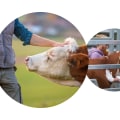
In the realm of livestock health services, understanding the well-being of animals is paramount. These services encompass a wide range of practices aimed at ensuring that livestock remain healthy, productive, and free from disease. From routine check-ups to emergency veterinary care, the role of health services is crucial in preventing health issues that can arise in farm animals. By prioritizing animal health, farmers can not only enhance the quality of their livestock but also improve overall farm productivity.Effective veterinary care is a cornerstone of livestock health services.
It involves regular monitoring and assessment of animals to catch potential health problems early. This proactive approach helps in identifying signs of distress or illness that may otherwise go unnoticed until they escalate into more serious conditions. Farmers who invest in these services are better equipped to manage their herds, ensuring that each animal receives the attention it needs to thrive.Moreover, livestock health services play a vital role in educating farmers about best practices for animal care. This includes guidance on nutrition, housing, and biosecurity measures that can prevent disease outbreaks.
By fostering a deeper understanding of animal health, these services empower farmers to make informed decisions that benefit both their livestock and their livelihoods.
Common Signs of Unhealthy Animals
Recognizing the signs of unhealthy animals is crucial for maintaining the overall health of your livestock. Early detection can prevent the spread of disease and ensure the well-being of your herd. Here are some common indicators to watch for:- Behavioral Changes: Unhealthy animals often exhibit noticeable changes in behavior. Look for signs such as:
- Isolation: An animal that separates itself from the herd may be experiencing stress or illness.
- Aggression or Lethargy: Sudden aggression or a lack of energy can indicate discomfort or pain.
- Changes in Eating Habits: A decrease in appetite or excessive thirst can signal health issues.
- Physical Symptoms: Physical signs are often more apparent and can include:
- Coughing or Nasal Discharge: Respiratory issues can be a sign of infection.
- Weight Loss: Unexplained weight loss is a serious concern and should be addressed immediately.
- Poor Coat Condition: A dull, rough coat may indicate nutritional deficiencies or illness.
- Environmental Factors: The environment plays a significant role in livestock health.
Consider the following:
- Poor Living Conditions: Overcrowding, inadequate shelter, and unsanitary conditions can lead to stress and disease.
- Lack of Access to Clean Water and Food: Ensure that your animals have constant access to fresh water and quality feed.
Behavioral Changes in Livestock
Behavioral changes in livestock can be some of the earliest indicators of health issues. Recognizing these signs is crucial for maintaining livestock health services and ensuring the well-being of your animals. Here are some key behavioral signs to watch for:- Lethargy: If livestock appear unusually tired or inactive, it may indicate underlying health problems.
Healthy animals are typically alert and active, so a noticeable drop in energy levels should raise concerns.
- Isolation: Animals that separate themselves from the herd or flock may be experiencing stress or illness. This behavior can be a sign of pain or discomfort, and it’s essential to investigate further.
- Changes in Eating Habits: A sudden decrease in appetite or changes in feeding behavior can signal health issues. Livestock that refuse to eat or drink may be suffering from digestive problems, infections, or other medical conditions.
- Increased Aggression or Irritability: Changes in temperament, such as increased aggression or irritability, can indicate stress or discomfort. This behavior may stem from pain, environmental changes, or social dynamics within the group.
- Vocalization Changes: Unusual vocalizations can also be a sign of distress.
If animals are more vocal than usual, it may indicate discomfort or anxiety.
Physical Symptoms to Watch For
Monitoring the physical signs of illness in livestock is crucial for maintaining their overall health and productivity. Recognizing these symptoms early can lead to timely intervention and treatment, ultimately safeguarding your investment and ensuring the well-being of your animals.Here are some key physical symptoms to watch for:- Weight Loss: A sudden or gradual decrease in weight can indicate underlying health issues.
Regularly weighing your livestock can help you identify any concerning trends.
- Abnormal Posture: Animals that are hunched over, have difficulty standing, or exhibit unusual movements may be experiencing pain or discomfort. Pay attention to how your livestock stands and moves.
- Visible Injuries: Cuts, bruises, or swelling can be signs of injury or infection. Regular inspections can help you catch these issues before they escalate.
- Poor Coat Condition: A dull, rough, or patchy coat can indicate nutritional deficiencies or health problems. Healthy animals typically have shiny, smooth fur.
- Changes in Appetite: A sudden decrease in feed intake or water consumption can signal illness.
Monitoring feeding habits is essential for early detection of health issues.
- Coughing or Nasal Discharge: Respiratory issues are common in livestock and can be indicative of infections or environmental stressors. Look for persistent coughing or unusual nasal secretions.
Environmental Factors Affecting Livestock Health
Environmental factors play a crucial role in determining the overall health of livestock. Understanding these factors can help farmers and livestock owners implement effective livestock health services to ensure their animals thrive.Housing Conditions
- Space: Adequate space is essential for livestock to move freely.
Overcrowding can lead to stress, aggression, and increased susceptibility to diseases.
- Ventilation: Proper airflow in housing structures helps reduce humidity and ammonia levels, which can cause respiratory issues in animals.
- Cleanliness: Regular cleaning of living areas prevents the buildup of waste and pathogens, significantly lowering the risk of infections.
Nutritional Factors
- Balanced Diet: Livestock require a balanced diet rich in essential nutrients. Poor nutrition can lead to weakened immune systems and various health problems.
- Water Quality: Access to clean, fresh water is vital. Contaminated water sources can lead to gastrointestinal diseases and dehydration.
Stressors Impacting Livestock
- Weather Conditions: Extreme temperatures, whether hot or cold, can cause stress. Providing adequate shelter and shade is essential for maintaining comfort.
- Noise Levels: Loud noises from machinery or other animals can create anxiety in livestock, affecting their feeding and overall well-being.
- Handling Practices: Gentle handling reduces stress during routine care.
Stressful handling can lead to injuries and long-term behavioral issues.
Preventive Measures for Maintaining Livestock Health
Maintaining the health of livestock is crucial for any farming operation, and implementing preventive care measures can significantly reduce the risk of disease and improve overall productivity. Here are some essential strategies to ensure your animals remain healthy:- Regular Veterinary Check-Ups: Scheduling routine veterinary visits is vital. These check-ups allow for early detection of potential health issues and provide opportunities for vaccinations, deworming, and other preventive treatments.
- Proper Nutrition: A balanced diet tailored to the specific needs of each type of livestock is essential.
Ensure that your animals receive adequate vitamins, minerals, and nutrients to support their growth and immune function.
- Clean Living Conditions: Maintaining a clean and dry environment helps prevent the spread of diseases. Regularly clean barns, pens, and feeding areas to minimize exposure to pathogens.
- Monitoring Behavior: Keep an eye on your livestock's behavior. Changes in eating habits, social interactions, or activity levels can be early signs of health issues.
- Vaccination Programs: Implementing a comprehensive vaccination program can protect your livestock from common diseases. Consult with your veterinarian to develop a vaccination schedule that suits your herd.
Remember that proactive care not only benefits the animals but also supports the economic viability of your farming operation.
When to Seek Professional Help from Livestock Health Services
Recognizing when to seek professional help from livestock health services is essential for maintaining the well-being of your animals. Here are some critical scenarios that warrant a call to a veterinarian:- Sudden Behavioral Changes: If your livestock exhibit unusual behavior, such as lethargy, aggression, or isolation from the herd, it may indicate an underlying health issue.
- Loss of Appetite: A significant decrease in food intake can be a sign of illness. If your animals refuse to eat for more than 24 hours, it’s time to consult a professional.
- Visible Symptoms: Look for signs such as coughing, nasal discharge, diarrhea, or swelling. These symptoms can be indicative of infections or other serious conditions.
- Injuries: Any visible wounds or injuries should be assessed by a veterinarian to prevent infection and ensure proper healing.
- Reproductive Issues: If you notice complications during breeding or birthing, immediate veterinary assistance is crucial to ensure the health of both the mother and offspring.
Early intervention can prevent minor issues from escalating into major health crises. Establishing a relationship with a local veterinarian who specializes in livestock can provide peace of mind and ensure that you have access to professional help when needed. Keep their contact information readily available for emergencies, and consider scheduling regular check-ups to maintain optimal health within your herd.
Frequently Asked Questions about Livestock Health Signs
Recognizing the signs of an unhealthy animal is crucial for maintaining livestock health and ensuring the well-being of your herd. Here are some frequently asked questions regarding livestock health signs:What are the common signs of illness in livestock?
- Changes in Appetite: A sudden decrease or increase in food intake can indicate health issues.
- Behavioral Changes: Unusual lethargy, aggression, or isolation from the herd may signal distress.
- Physical Symptoms: Look for signs such as coughing, nasal discharge, limping, or abnormal feces.
- Weight Loss: Unexplained weight loss can be a sign of underlying health problems.
- Changes in Coat Condition: A dull or patchy coat may indicate nutritional deficiencies or illness.
How can I monitor my livestock's health effectively?
Regular monitoring is essential. Here are some tips:- Daily Observations: Spend time each day observing your animals for any changes in behavior or appearance.
- Record Keeping: Maintain detailed records of each animal's health history, including vaccinations and any treatments administered.
- Consult with Professionals: Regular check-ups with livestock health services can help identify potential issues before they become serious.
When should I contact a veterinarian?
If you notice any of the following signs, it’s important to reach out to a veterinarian:- Persistent coughing or difficulty breathing
- Sustained high fever
- Severe lameness or inability to stand
- Signs of pain, such as vocalization or reluctance to move
Utilizing livestock health services not only aids in early detection but also provides essential support for effective management practices.
Conclusion: Ensuring the Health and Well-Being of Your Livestock
In conclusion, maintaining the health and well-being of your livestock is crucial for both ethical and economic reasons. Recognizing the signs of unhealthy animals is the first step in ensuring their welfare. As discussed, symptoms such as changes in appetite, abnormal behavior, and physical signs like coughing or limping can indicate underlying health issues that require immediate attention.Utilizing livestock health services is essential for early detection and treatment of these issues. Regular veterinary check-ups, vaccinations, and health screenings can help prevent diseases from spreading within your herd.Moreover, these services provide valuable insights into best practices for nutrition and overall care, which are vital for maintaining optimal livestock health.Furthermore, it’s important to foster a proactive approach to livestock management. This includes:
- Monitoring daily behavior: Keeping an eye on your animals can help you spot any changes that may indicate health problems.
- Implementing biosecurity measures: Protecting your livestock from diseases through proper sanitation and isolation practices is key.
- Educating yourself: Staying informed about common livestock diseases and their symptoms can empower you to act swiftly when issues arise.