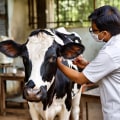
Maintaining optimal livestock health is a multifaceted endeavor that hinges significantly on proper nutrition. Just as in humans, the dietary choices made for livestock can profoundly influence their overall well-being, productivity, and longevity. Understanding the intricate relationship between nutrition and health is essential for farmers and livestock managers who aim to enhance the quality of their herds while minimizing disease and mortality rates. The importance of nutrition in livestock cannot be overstated. A balanced diet tailored to the specific needs of different species and breeds ensures that animals receive the necessary vitamins, minerals, and energy to thrive.
For instance, ruminants like cattle require a diet rich in fiber to support their unique digestive systems, while monogastric animals such as pigs benefit from protein-rich feeds. This tailored approach not only promotes growth and reproduction but also fortifies the immune system, making animals less susceptible to diseases. Moreover, livestock health services play a crucial role in monitoring and managing the nutritional needs of animals. These services encompass a range of practices, from regular health check-ups to dietary assessments conducted by veterinarians and animal nutritionists. By leveraging these professional insights, farmers can make informed decisions about feed formulations and adjustments based on the specific health challenges their livestock may face.
Ultimately, investing in both nutrition and health services is key to achieving sustainable livestock production that meets both economic and ethical standards.
Key Nutritional Components for Livestock
Maintaining optimal livestock health requires a well-balanced diet that includes several key nutritional components. Each nutrient plays a vital role in supporting the overall well-being and productivity of livestock.Proteins
Proteins are essential for growth, tissue repair, and overall health in livestock. They are made up of amino acids, which are the building blocks of life. Livestock require different protein levels depending on their age, species, and production goals.For instance, young animals need higher protein levels for growth, while adult animals may require less.
Carbohydrates
Carbohydrates serve as the primary energy source for livestock. They are crucial for maintaining energy levels during daily activities and production processes such as milk production or weight gain. Common sources of carbohydrates include grains, forages, and silage.Fats
Fats are another important energy source and are more calorie-dense than carbohydrates. They also play a role in hormone production and the absorption of fat-soluble vitamins.Including fats in the diet can enhance energy intake without increasing feed volume.
Vitamins and Minerals
Adequate intake of vitamins and minerals is crucial for various physiological functions. Vitamins such as A, D, E, and K support immune function, vision, and bone health. Minerals like calcium, phosphorus, and magnesium are vital for bone development and metabolic processes. Deficiencies in these nutrients can lead to serious health issues.Water
Lastly, water is often overlooked but is perhaps the most critical component of any livestock diet.It is essential for digestion, nutrient absorption, and overall metabolic functions. Ensuring that livestock have constant access to clean water is fundamental to their health. In summary, a balanced diet rich in proteins, carbohydrates, fats, vitamins, minerals, and water is essential for maintaining good livestock health. Regular consultations with livestock health services can help farmers tailor diets to meet the specific needs of their animals.
Tailoring Diets to Different Types of Livestock
When it comes to livestock health services, understanding the specific dietary needs of different types of livestock is crucial for maintaining optimal health and productivity. Each species has unique nutritional requirements that must be met to ensure their well-being.Diet for Cattle
Cattle are ruminants, which means they have a complex digestive system that allows them to break down fibrous plant materials.Their diet should primarily consist of:
- Forages: High-quality hay, silage, and pasture grasses are essential for providing the necessary fiber.
- Concentrates: Grains such as corn and barley can be included to boost energy levels, especially during lactation or growth phases.
- Minerals and Vitamins: A balanced mineral mix is vital to prevent deficiencies that can lead to health issues.
Diet for Pigs
Pigs are omnivores and require a balanced diet that includes both plant and animal sources. Key components of a pig's diet include:- Grains: Corn and wheat are common staples that provide energy.
- Protein Sources: Soybean meal or fish meal can be added to meet protein needs, especially during growth stages.
- Additives: Probiotics and enzymes can enhance digestion and overall health.
Diet for Poultry
Poultry, including chickens and turkeys, have specific dietary requirements that vary by age and purpose (meat vs. egg production). Their diet typically consists of:- Complete Feeds: Commercially formulated feeds provide a balanced mix of nutrients tailored for specific growth stages.
- Grains: Corn and wheat are often included for energy.
- Calcium Sources: For laying hens, additional calcium is crucial for eggshell formation.
By providing species-specific diets, farmers can enhance the health, productivity, and longevity of their livestock, ultimately leading to better farm profitability.
The Role of Forage and Feed Quality in Livestock Health
Forage and feed quality play a crucial role in maintaining livestock health. The nutritional value of the feed directly impacts the overall well-being, growth, and productivity of livestock. High-quality forage provides essential nutrients that support metabolic functions, immune responses, and reproductive health.Forage Quality
- Digestibility: High-quality forage is easily digestible, allowing livestock to absorb more nutrients. This is vital for energy production and overall health.
- Nutrient Content: Forage rich in proteins, vitamins, and minerals contributes to better growth rates and reproductive performance.
- Palatability: Livestock are more likely to consume high-quality forage, ensuring they receive adequate nutrition.
Livestock consuming low-quality feed may experience:
- Nutritional Deficiencies: Inadequate intake of essential nutrients can result in stunted growth, weakened immune systems, and increased susceptibility to diseases.
- Digestive Disorders: Low-quality forage often contains high levels of indigestible fibers, leading to digestive problems such as bloating or colic.
- Reduced Productivity: Animals on poor diets may produce less milk or gain weight more slowly, impacting overall farm profitability.
Best Feeds for Livestock
Selecting the right feeds is equally important.
Concentrates
, such as grains and protein meals, can complement forage by providing additional energy and protein.Mineral supplements
are also essential to ensure livestock receive all necessary micronutrients. Regularly testing feed quality and adjusting rations based on livestock needs can significantly enhance livestock health services.In conclusion, prioritizing high-quality forage and feed not only supports the immediate health of livestock but also contributes to long-term productivity and sustainability in farming operations.Common Nutritional Deficiencies in Livestock and Their Effects
Maintaining optimal livestock health is crucial for productivity and overall well-being.However, many livestock animals suffer from nutritional deficiencies that can significantly impact their health. Understanding these deficiencies and their effects is essential for effective livestock health services.
Common Nutritional Deficiencies
- Protein Deficiency: A lack of protein can lead to stunted growth, reduced milk production, and weakened immune systems.
- Mineral Deficiencies: Essential minerals like calcium, phosphorus, and magnesium are vital. Deficiencies can cause issues such as poor bone development and metabolic disorders.
- Vitamin Deficiencies: Vitamins A, D, and E are crucial for various bodily functions. Their absence can result in reproductive issues, poor vision, and compromised immune responses.
- Energy Deficiency: Insufficient energy intake can lead to weight loss, decreased fertility, and lower overall productivity.
Effects of Nutritional Deficiencies on Livestock Health
The effects of these deficiencies can be profound.For instance, protein deficiency not only affects growth rates but also makes animals more susceptible to diseases. Similarly, mineral deficiencies can lead to conditions like milk fever in dairy cows or grass tetany in cattle.
Signs of Poor Nutrition
Recognizing the signs of poor nutrition is vital for timely intervention. Common indicators include:- Poor Coat Condition: A dull or rough coat may indicate inadequate nutrition.
- Weight Loss: Unexplained weight loss is a clear sign that an animal is not receiving sufficient nutrients.
- Lethargy: Animals that are less active than usual may be suffering from nutritional deficiencies.
- Reproductive Issues: Delayed breeding or low fertility rates can often be traced back to nutritional problems.
Implementing a Balanced Diet: Best Practices
Implementing a balanced diet for livestock is crucial for ensuring their overall health and productivity. A well-structured feeding strategy not only supports growth but also enhances the immune system, leading to fewer health issues and lower veterinary costs.To achieve optimal livestock health, consider the following best practices:- Understand Nutritional Requirements: Different species and breeds have varying nutritional needs.
Conduct a thorough assessment of the specific requirements for your livestock, including protein, carbohydrates, fats, vitamins, and minerals.
- Quality Feed Sources: Invest in high-quality feed that meets the nutritional standards for your animals. This includes selecting grains, forages, and supplements that are free from contaminants and toxins.
- Regular Feeding Schedule: Establish a consistent feeding routine. Livestock thrive on predictability, which can help in maintaining their digestive health and overall well-being.
- Monitor Body Condition: Regularly assess the body condition of your animals. This will help you adjust their diet as needed to prevent obesity or malnutrition.
- Incorporate Forage: Forages should make up a significant portion of the diet for ruminants.
They provide essential fiber that aids in digestion and promotes gut health.
- Hydration: Ensure that clean, fresh water is always available. Proper hydration is vital for digestion and nutrient absorption.
- Group Feeding: Feed animals in groups based on age, size, and production stage to ensure each group receives appropriate nutrition.
- Gradual Diet Changes: When introducing new feeds or supplements, do so gradually to avoid digestive upset.
- Nutritional Supplements: Use supplements judiciously to address specific deficiencies or enhance performance without over-supplementing.
The Importance of Regular Health Assessments and Monitoring
Regular health assessments and monitoring are crucial components in ensuring the overall health of livestock. These practices not only help in identifying potential health issues early but also play a significant role in enhancing productivity and longevity of the animals.Why Regular Health Assessments Matter
- Early Detection: Routine health assessments allow for the early detection of diseases, which can prevent outbreaks that may affect the entire herd.
- Improved Productivity: Healthy livestock are more productive, leading to better yields in terms of milk, meat, or wool.
- Cost-Effectiveness: Investing in regular health checks can save money in the long run by reducing veterinary costs associated with treating advanced diseases.
Monitoring Livestock Health
Monitoring involves keeping track of various health indicators such as weight, appetite, and behavior. This ongoing observation is essential for:
- Identifying Trends: By regularly monitoring livestock, farmers can identify trends that may indicate health issues before they become serious.
- Adjusting Diets: Monitoring helps in adjusting diets based on the specific needs of the animals, ensuring they receive adequate nutrition for optimal health.
- Enhancing Welfare: Regular checks contribute to better animal welfare, which is increasingly important to consumers and regulatory bodies.
The Role of Veterinary Services
Veterinary services play a pivotal role in both health assessments and monitoring.
A qualified veterinarian can:
- Conduct Comprehensive Exams: They provide thorough examinations that go beyond basic checks, ensuring no underlying issues are missed.
- Implement Vaccination Programs: Vaccinations are essential for preventing diseases that could devastate livestock populations.
- Offer Tailored Health Plans: Veterinarians can create customized health plans based on the specific needs of the herd, taking into account factors like age, breed, and production goals.
FAQs About Livestock Diet and Health Services
Understanding the dietary needs of livestock is crucial for maintaining their health and productivity. Here are some frequently asked questions regarding livestock diets and health services.What are the essential nutrients for livestock?
Livestock require a balanced diet that includes:- Proteins: Essential for growth, reproduction, and milk production.
- Carbohydrates: Provide energy for daily activities.
- Fats: Important for energy storage and absorption of fat-soluble vitamins.
- Vitamins and Minerals: Crucial for various bodily functions, including immune response and bone health.
How can I ensure my livestock are getting the right diet?
To ensure your livestock receive a proper diet, consider the following steps:- Consult a veterinarian: Regular check-ups can help identify dietary deficiencies.
- Conduct feed analysis: Testing your feed can provide insights into its nutritional content.
- Monitor body condition: Regularly assess the physical condition of your animals to adjust their diet as needed.
What role do livestock health services play in diet management?
Livestock health services are vital in managing the dietary needs of your animals. They offer:- Nutritional counseling: Experts can help design a balanced diet tailored to your livestock's specific needs.
- Disease prevention: Proper nutrition can enhance immunity, reducing the risk of diseases that can affect livestock health.
- Regular health assessments: Ongoing evaluations ensure that dietary adjustments are made in response to changing health conditions.
Conclusion: Ensuring Optimal Health Through Proper Nutrition
In conclusion, maintaining optimal livestock health is fundamentally linked to proper nutrition.Throughout this article, we have explored various dietary components essential for the well-being of livestock, emphasizing that a balanced diet not only supports growth and productivity but also enhances overall health. Proper nutrition plays a critical role in preventing diseases and improving the immune response in animals. By providing livestock with the right mix of vitamins, minerals, and macronutrients, farmers can ensure that their animals are not only healthy but also capable of thriving in their environments. Key takeaways include:
- Quality Feed: The foundation of any successful livestock health program is high-quality feed that meets the specific nutritional needs of each species.
- Regular Assessments: Conducting regular health assessments and dietary evaluations can help identify deficiencies and adjust feeding strategies accordingly.
- Consultation with Experts: Engaging with livestock health services can provide valuable insights into the best practices for nutrition tailored to specific livestock types.