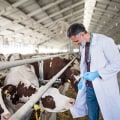
In the realm of agriculture, livestock health services play a pivotal role in ensuring the well-being of animals and the sustainability of farming operations. These services encompass a wide range of practices aimed at monitoring, diagnosing, and treating health issues in livestock. By prioritizing regular health check-ups, farmers can not only enhance the quality of life for their animals but also significantly boost productivity and profitability. The importance of livestock health cannot be overstated. Healthy animals are more productive, yielding better milk, meat, and wool, which directly impacts a farm's bottom line.
Furthermore, maintaining optimal health in livestock helps prevent the spread of diseases that can affect entire herds or flocks, thereby safeguarding the farmer's investment. Regular health assessments allow for early detection of potential issues, enabling timely interventions that can save both lives and resources. Moreover, livestock care extends beyond mere treatment; it involves a holistic approach that includes nutrition management, vaccination programs, and biosecurity measures. By integrating these elements into a comprehensive health service plan, farmers can create an environment where livestock thrive. This not only contributes to animal welfare but also aligns with consumer demands for ethically raised products.
As we delve deeper into the specifics of how often livestock should receive health check-ups, it becomes clear that investing in livestock health services is essential for any successful farming operation.
The Importance of Regular Health Check-Ups for Livestock
Regular health check-ups for livestock are essential for maintaining optimal health and productivity. These check-ups play a critical role in early disease detection, which can prevent the spread of infections within a herd. By identifying health issues before they escalate, farmers can implement timely interventions that not only save animals but also reduce overall veterinary costs.One of the primary benefits of routine health assessments is disease prevention. Livestock are often exposed to various pathogens, and without regular monitoring, minor health issues can develop into serious outbreaks.For instance, vaccinations and parasite control measures can be effectively administered during these check-ups, ensuring that animals remain protected against common diseases.Moreover, regular health evaluations contribute significantly to improved productivity. Healthy animals are more likely to exhibit better growth rates, higher milk production, and improved reproductive performance. This translates into increased profitability for farmers. For example, a well-managed herd with consistent health check-ups can yield up to 20% more milk than a herd that does not receive regular veterinary attention.In addition to economic benefits, prioritizing livestock health services enhances animal welfare.
Animals that receive consistent care are less likely to experience pain or distress from untreated conditions. This commitment to welfare not only aligns with ethical farming practices but also meets consumer demand for humane treatment of livestock.In conclusion, the importance of regular health check-ups cannot be overstated. They are vital for disease prevention, enhancing productivity, and ensuring the welfare of livestock. By investing in these services, farmers can secure the health of their animals and the sustainability of their operations.
Recommended Frequency of Health Check-Ups by Livestock Type
Maintaining the health of livestock is crucial for both productivity and welfare.The recommended frequency of health check-ups varies by species, as each type of livestock has unique health needs and risks. Below is a breakdown of the suggested health check-up schedules for common livestock types.
Cattle Health Check-Ups
Cattle are typically examined at least twice a year. However, certain factors such as age, production stage, and health history can influence this frequency:- Calves: Should receive check-ups every 3-4 months to monitor growth and vaccination schedules.
- Bred Heifers: Require checks every 2-3 months during pregnancy to ensure proper development and nutrition.
- Dairy Cows: Should be evaluated monthly for milk production issues and overall health.
Sheep Health Services
For sheep, the recommended frequency of health check-ups is generally every 6 months. This schedule helps in early detection of diseases and ensures that vaccinations are up to date:- Lambs: Require more frequent visits, ideally every 2-3 months, especially during their first year.
- Breeding Ewes: Should be checked quarterly, particularly before and after lambing.
Pigs Health Check-Ups
Pigs should receive health assessments at least every 4-6 months.Young pigs may need more frequent evaluations:
- Piglets: Should be checked every 2-3 months, focusing on growth rates and vaccination needs.
- Bred Sows: Require checks during pregnancy and post-weaning to monitor their health status.
Factors Influencing Health Check-Up Frequency
When determining how often livestock should receive health check-ups, several factors come into play. Understanding these factors can help farmers and livestock owners optimize their livestock health services and ensure the well-being of their animals.Environmental Impacts on Livestock Health
The environment in which livestock are raised significantly influences their health. For instance, extreme weather conditions such as heatwaves or cold snaps can stress animals, making them more susceptible to diseases.In regions with high humidity, the risk of respiratory issues and parasites increases. Therefore, livestock in challenging environments may require more frequent health check-ups to monitor for signs of stress or illness.
Herd Size Considerations
The size of the herd is another critical factor affecting the frequency of health check-ups. Larger herds may experience a higher incidence of disease spread due to close contact among animals. Consequently, farmers with extensive herds should consider implementing regular health assessments to catch potential outbreaks early.In contrast, smaller herds might not need as frequent check-ups, but individual attention to each animal's health is still essential.
Specific Health Risks Associated with Breeds
Different breeds of livestock can have unique health risks that necessitate varying frequencies of health check-ups. For example, certain breeds may be predisposed to genetic disorders or specific diseases. Understanding these breed-specific risks allows farmers to tailor their health check-up schedules accordingly. Regular monitoring can help identify issues before they escalate, ensuring that livestock remain healthy and productive.In summary, the frequency of health check-ups for livestock should be influenced by environmental conditions, herd size, and breed-specific health risks.By considering these factors, livestock owners can better manage their health services, ultimately leading to healthier animals and improved productivity.
Signs That Indicate Livestock Need Immediate Health Check-Ups
Recognizing the signs of illness in livestock is crucial for maintaining their health and productivity. Farmers should be vigilant and aware of any changes in behavior or physical condition that may indicate a need for immediate veterinary attention. Here are some key signs to watch for:- Loss of Appetite: If livestock suddenly stop eating or show a significant decrease in feed intake, it could be a sign of underlying health issues.
- Abnormal Behavior: Changes in behavior, such as isolation from the herd, excessive vocalization, or lethargy, can indicate distress or illness.
- Changes in Appearance: Look for signs like weight loss, poor coat condition, or unusual swelling. These physical changes can be indicators of serious health problems.
- Respiratory Issues: Coughing, nasal discharge, or labored breathing are urgent signs that require immediate veterinary evaluation.
- Digestive Disturbances: Symptoms such as bloating, diarrhea, or constipation can signal digestive disorders that need prompt attention.
Elevated temperature, increased heart rate, or abnormal respiratory rates can also indicate that livestock are unwell. If you observe any of these symptoms, it is advisable to call a vet for livestock as soon as possible to prevent further complications. Being proactive about urgent livestock health issues not only helps in early diagnosis but also reduces the risk of spreading diseases within the herd. Regular health check-ups and being attentive to your animals' needs can make a significant difference in their overall well-being.
Integrating Technology in Livestock Health Monitoring
In recent years, the integration of technology into livestock health services has revolutionized how farmers monitor and manage the health of their animals. With advancements in digital monitoring for livestock, producers can now access real-time data that significantly enhances decision-making processes.Wearable Devices
- Wearable technology, such as collars and ear tags equipped with sensors, allows for continuous monitoring of vital signs, activity levels, and even behavioral patterns.
- This data can alert farmers to potential health issues before they become critical, enabling timely interventions.
Mobile Applications
- Mobile apps designed for livestock management provide a user-friendly interface for tracking health records, vaccination schedules, and feeding routines.
- These applications often include features for setting reminders and alerts, ensuring that no important health check-up is missed.
Data Analytics
The use of data analytics in veterinary technology solutions allows farmers to analyze trends over time.
By aggregating data from various sources, producers can:
- Identify patterns in disease outbreaks.
- Optimize breeding programs based on health metrics.
- Enhance overall herd management strategies.
Frequently Asked Questions About Livestock Health Check-Ups
When it comes to livestock health services, many producers have questions about the frequency and necessity of health check-ups for their animals. Here are some common inquiries:How often should livestock receive health check-ups?
The frequency of health check-ups can vary based on several factors, including the type of livestock, their age, and their overall health status. Generally, it is recommended that livestock undergo a thorough health examination at least once a year.However, certain situations may necessitate more frequent visits:
- Young animals: Calves, piglets, and other young livestock may require more frequent check-ups to monitor growth and development.
- Breeding animals: Pregnant or breeding livestock should be checked regularly to ensure they are healthy and free from diseases that could affect reproduction.
- Animals showing symptoms: If any livestock exhibit signs of illness or distress, immediate veterinary attention is crucial.
What should I expect during a health check-up?
A typical health check-up for livestock includes a physical examination, vaccination updates, and discussions about nutrition and management practices. The veterinarian will assess:- Body condition and weight
- Signs of disease or injury
- Parasite control measures
- Nutritional needs
Are there specific vaccinations required for livestock?
Yes, vaccinations are an essential part of animal health services. The specific vaccines required can depend on the type of livestock and regional disease prevalence. Common vaccinations include:- Bovine respiratory disease vaccines for cattle
- Pseudorabies and porcine reproductive and respiratory syndrome (PRRS) vaccines for pigs
- Clostridial vaccines for sheep and goats
By staying proactive with veterinary care, you can ensure your animals remain healthy and productive.
Conclusion: Prioritizing Livestock Health for Sustainable Farming Practices
In conclusion, prioritizing livestock health services is essential for the sustainability and productivity of modern farming practices. Regular health check-ups not only ensure the well-being of the animals but also contribute significantly to the overall efficiency of agricultural operations.Farmers who invest in routine health assessments can expect numerous benefits, including:- Early detection of diseases: Regular check-ups allow for the timely identification of health issues, which can prevent outbreaks that may devastate livestock populations.
- Improved productivity: Healthy animals are more productive, leading to better yields in terms of milk, meat, and other livestock products.
- Cost savings: Preventative care is often more cost-effective than treating advanced illnesses, reducing veterinary expenses in the long run.
- Enhanced animal welfare: Prioritizing health check-ups demonstrates a commitment to animal welfare, which is increasingly important to consumers and regulatory bodies.
By making livestock health a priority, farmers can ensure their operations remain viable and resilient in the face of challenges such as disease outbreaks and changing market demands.