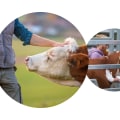
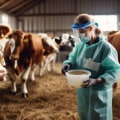
Understanding the common eye problems in livestock is essential for maintaining overall livestock health. Just like humans, animals can suffer from a variety of eye conditions that can lead to serious health issues if not addressed promptly. Common eye problems include conjunctivitis, cataracts, and corneal ulcers, each presenting unique symptoms and requiring different approaches for treatment. Recognizing these issues early can make a significant difference in the well-being of your animals. Farmers should be vigilant for signs of eye issues in their animals, such as excessive tearing, squinting, or cloudiness in the eyes.
These symptoms can indicate underlying problems that may require immediate attention. For instance, conjunctivitis often manifests as redness and swelling around the eye, while cataracts may cause a noticeable opacity that affects vision. Understanding these symptoms not only helps in early detection but also aids in implementing effective livestock health services to treat these conditions. The causes of eye problems in livestock can vary widely, ranging from environmental factors like dust and allergens to nutritional deficiencies and infectious diseases. By being proactive and knowledgeable about these potential issues, farmers can take steps to prevent them from occurring.
Regular veterinary check-ups and maintaining a clean living environment are crucial components of a comprehensive approach to livestock eye health. In the following sections, we will delve deeper into specific conditions, their treatments, and preventive measures to ensure your livestock remain healthy and productive.
Preventive Measures for Eye Health in Livestock
Maintaining optimal eye health in livestock is crucial for their overall well-being and productivity. Implementing preventive measures can significantly reduce the risk of common eye problems. Here are some effective strategies:- Proper Nutrition: A balanced diet rich in essential vitamins and minerals is vital for eye health.
Ensure that your livestock receive adequate amounts of vitamin A, which is crucial for maintaining good vision. Incorporate fresh greens, grains, and fortified feeds to support their nutritional needs.
- Hygiene Practices: Regular cleaning of living areas can prevent the buildup of dust, debris, and pathogens that may irritate the eyes. Ensure that water troughs are clean and free from algae or contaminants. Additionally, routine checks for any signs of eye discharge or irritation can help catch issues early.
- Environmental Management: Providing a safe and comfortable environment is essential.
Ensure that livestock have access to shaded areas to protect them from harsh sunlight, which can lead to conditions like cataracts. Proper ventilation in barns and shelters can also reduce the risk of respiratory issues that may indirectly affect eye health.
- Regular Veterinary Check-ups: Engaging with livestock health services for routine examinations can help identify potential eye problems before they escalate. A veterinarian can provide tailored advice on preventive care specific to your livestock's needs.
Common Treatments for Eye Problems in Livestock
When it comes to maintaining livestock health services, addressing eye problems promptly is crucial. Various treatments are available depending on the specific condition affecting your animals.Medications
For common eye issues such as conjunctivitis or infections, antibiotic eye drops or ointments are often prescribed by veterinarians.These medications help reduce inflammation and eliminate bacterial infections. Additionally, anti-inflammatory drugs may be recommended to alleviate discomfort and swelling.
Surgical Interventions
In more severe cases, surgical options may be necessary. For instance, if a foreign object is lodged in the eye or if there is significant damage to the cornea, a veterinarian might perform a procedure to remove the object or repair the damage. Regular check-ups can help identify these issues early, allowing for timely surgical intervention.Home Remedies
While professional veterinary care is essential, some home remedies can provide relief for minor eye problems.Here are a few:
- Warm Compresses: Applying a warm, damp cloth to the affected eye can help soothe irritation and promote drainage.
- Saline Solution: Rinsing the eye with a sterile saline solution can help flush out debris and reduce irritation.
- Aloe Vera: The gel from an aloe vera plant can be applied around the eye area to reduce inflammation and promote healing.
When to Seek Professional Help from Livestock Health Services
Recognizing when to seek professional help from livestock health services is crucial for maintaining the well-being of your animals. While some eye issues can be managed with basic care, others may require immediate veterinary attention to prevent serious complications.Signs of Serious Eye Issues in Animals
- Persistent Discharge: If you notice a continuous discharge from your livestock's eyes, it could indicate an infection or other underlying issues.
- Swelling or Redness: Swollen eyelids or redness around the eyes are signs that should not be ignored, as they may suggest inflammation or injury.
- Cloudiness or Changes in Eye Color: Any cloudiness or unusual color changes in the eye can be a sign of serious conditions such as cataracts or uveitis.
- Excessive Squinting or Tearing: If your livestock is squinting frequently or producing excessive tears, it may be experiencing pain or discomfort that requires veterinary evaluation.
- Behavioral Changes: Changes in behavior, such as reluctance to move, decreased appetite, or signs of distress, can indicate that your animal is suffering from an eye problem.
Additionally, regular check-ups with veterinary services can help catch potential issues before they escalate.
When to Call a Vet for Livestock Eyes
In general, if you are uncertain about the severity of an eye issue or if the symptoms persist despite initial home care, do not hesitate to reach out to a professional. Timely veterinary intervention not only aids in effective treatment but also ensures that your livestock remains healthy and productive.
Frequently Asked Questions About Livestock Eye Health
When it comes to maintaining livestock health, understanding common eye problems is crucial for farmers and livestock owners. Here are some frequently asked questions regarding livestock eye health:- What are the most common eye problems in livestock?
Common issues include conjunctivitis, cataracts, and pink eye. These conditions can lead to discomfort and, if untreated, may result in more severe health issues. - How can I identify eye problems in my animals?
Look for signs such as excessive tearing, squinting, redness, or swelling around the eyes.Changes in behavior, like reluctance to move or feed, can also indicate discomfort.
- What should I do if I suspect my livestock has an eye problem?
Isolate the affected animal to prevent the spread of potential infections and consult with a veterinarian who specializes in livestock health services. Early intervention is key to effective treatment. - Are there preventive measures I can take?
Regularly inspect your animals' eyes and maintain a clean living environment. Ensure they have access to clean water and proper nutrition to support overall health. - Can vaccinations help with eye health?
Certain vaccinations can prevent diseases that may lead to eye problems. Consult your veterinarian about the appropriate vaccination schedule for your livestock.
For more detailed guidance, consider reaching out to local livestock health services.
Conclusion: Ensuring Optimal Eye Health in Your Livestock
In conclusion, maintaining optimal eye health in your livestock is crucial for their overall well-being and productivity. By understanding the common eye problems that can affect your animals, you can take proactive measures to prevent these issues and ensure timely treatment when necessary. Regular health check-ups with qualified livestock health services are essential. These professionals can help identify early signs of eye problems, such as redness, discharge, or squinting, which may indicate underlying conditions. Early detection is key to effective treatment and can prevent more serious complications. Additionally, implementing good management practices plays a significant role in preventing eye issues.This includes:
- Maintaining clean living environments to reduce the risk of infections.
- Providing adequate nutrition to support immune function.
- Ensuring proper ventilation and minimizing exposure to irritants.