Maintaining livestock health is crucial for the success of any agricultural operation. Healthy animals not only contribute to higher productivity but also ensure the sustainability of farming practices. Understanding the signs of healthy animals is essential for farmers and livestock owners, as it allows them to identify potential health issues before they escalate. This proactive approach is where livestock health services play a vital role, providing the necessary support and expertise to keep animals in optimal condition. Recognizing the indicators of good health in livestock can significantly impact overall farm management.
Healthy animals typically exhibit behaviors such as active movement, social interaction, and a healthy appetite. Their physical appearance, including a shiny coat and clear eyes, also serves as a visual cue for their well-being. By being attuned to these signs, farmers can ensure that their livestock receive timely care and intervention when needed. Moreover, investing in livestock care through professional health services not only enhances animal welfare but also improves economic outcomes. Regular veterinary check-ups, vaccinations, and nutritional guidance are essential components of a comprehensive health strategy.
By prioritizing livestock health, farmers can foster a thriving environment that benefits both their animals and their business.
Physical Signs of Healthy Livestock
Monitoring the physical signs of healthy livestock is essential for any farmer or livestock owner. These indicators can provide valuable insights into the overall well-being of your animals and help you identify potential health issues before they escalate.- Coat Condition: A shiny, smooth coat is often a sign of good health. Healthy animals typically have a well-groomed appearance, free from excessive dirt, parasites, or skin lesions. Dull or patchy fur may indicate nutritional deficiencies or underlying health problems.
- Body Weight: Maintaining an appropriate body weight is crucial for livestock health.
Animals that are underweight may be suffering from malnutrition or illness, while those that are overweight could face metabolic issues. Regularly assessing body condition scores can help ensure your livestock remains within a healthy weight range.
- Posture and Movement: Healthy animals exhibit normal posture and movement patterns. They should stand upright with their heads held high and move freely without signs of lameness or discomfort. Any changes in posture, such as hunching or reluctance to move, can be early indicators of pain or illness.
- Appetite: A healthy appetite is a strong indicator of livestock well-being.
Animals that eat regularly and show enthusiasm for feed are generally in good health. Conversely, a sudden decrease in appetite can signal stress, illness, or environmental issues.
- Eyes and Mucous Membranes: Bright, clear eyes and moist mucous membranes are signs of good health. Sunken eyes or discoloration can indicate dehydration or illness. Regularly checking these areas can help you catch potential health problems early.
Regular assessments not only contribute to the welfare of the animals but also enhance the overall efficiency of your farming operations.
Behavioral Indicators of Health
Understanding animal behavior is crucial for assessing the overall health of livestock. Healthy animals typically exhibit normal activity levels, engage in social interactions, and display a calm demeanor. Observing these behaviors can provide valuable insights into their well-being.Normal Activity Levels
Livestock should demonstrate consistent activity levels appropriate for their species and age. For instance, cattle are generally seen grazing or ruminating, while pigs may be more active, exploring their environment.A sudden decrease in activity can indicate potential health issues. Signs to watch for include:
- Reduced grazing or feeding: If animals are not eating as usual, it may signal discomfort or illness.
- Isolation: Healthy animals often stay close to their herd. If one is consistently separated, it could be a sign of stress or sickness.
- Unusual lethargy: While rest is normal, excessive lethargy can indicate underlying health problems.
Social Interactions
Social behavior is another indicator of livestock health. Healthy animals typically engage positively with their peers.Look for signs such as:
- Playful behavior: Young animals often play together, which is a sign of good health and socialization.
- Grooming: Mutual grooming among animals indicates comfort and social bonding.
- Aggression: Increased aggression can be a sign of stress or illness within the group.
Signs of Distress or Illness
Recognizing signs of distress is essential for timely intervention. Common indicators include:- Pacing or restlessness: Animals that are unable to settle may be experiencing discomfort.
- Loud vocalizations: Unusual noises can indicate pain or distress.
- Changes in posture: Hunched backs or reluctance to move can signal health issues.
Nutritional Needs and Their Impact on Health
Proper nutrition is a cornerstone of livestock health services, playing a critical role in the overall well-being of farm animals. Just like humans, livestock require a balanced diet to thrive, which includes essential nutrients such as proteins, carbohydrates, fats, vitamins, and minerals. Each of these components contributes to various aspects of health, from physical growth to immune function.Essential Nutrients for Livestock
- Proteins: Vital for growth and repair of tissues, proteins are crucial for muscle development and overall vitality.
- Carbohydrates: These provide the primary source of energy for livestock, enabling them to perform daily activities and maintain body temperature.
- Fats: Important for energy storage and absorption of fat-soluble vitamins, fats also play a role in hormone production.
- Vitamins and Minerals: Essential for metabolic processes, vitamins and minerals support immune function and bone health.
For instance, healthy livestock typically exhibit:
- Shiny coats: A glossy coat often indicates good nutrition and proper grooming.
- Active behavior: Livestock that are energetic and curious are likely receiving adequate nutrition.
- Healthy weight: Maintaining an appropriate weight is crucial; both underweight and overweight animals can face health issues.
Common Health Issues in Livestock
Understanding common health issues in livestock is crucial for maintaining their well-being and productivity. Farmers should be vigilant in observing their animals for any signs of illness, as early detection can prevent more serious health problems. Some of the most prevalent livestock diseases include:- Foot and Mouth Disease: This viral infection affects cloven-hoofed animals and is characterized by fever, blisters in the mouth, and lameness.
- Bovine Respiratory Disease: Commonly seen in cattle, symptoms include coughing, nasal discharge, and difficulty breathing.
- Porcine Reproductive and Respiratory Syndrome (PRRS): This disease affects pigs and can lead to reproductive failure and respiratory issues.
Signs include lethargy, coughing, and poor growth rates.
- Sheep Scab: Caused by mites, this condition leads to intense itching, wool loss, and skin infections.
- Changes in appetite or water consumption
- Unusual behavior such as isolation from the herd
- Weight loss or poor body condition
- Coughing or labored breathing
- Abnormal feces or urine output
Preventive Care and Regular Check-ups
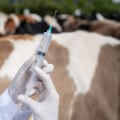
Maintaining the health of livestock is crucial for any farming operation, and preventive care plays a vital role in achieving this goal.Regular veterinary check-ups are essential to monitor the overall health of your animals and to catch potential issues before they escalate into serious problems.
Importance of Preventive Care
- Early Detection: Routine examinations allow veterinarians to identify early signs of illness or distress, which can lead to more effective treatment options.
- Vaccinations: Keeping up with vaccinations is a key component of preventive care. Vaccines protect livestock from various diseases that can spread quickly and have devastating effects on herd health.
- Nutritional Assessments: Regular check-ups provide an opportunity for veterinarians to evaluate the nutritional needs of your livestock, ensuring they receive a balanced diet that supports their growth and productivity.
- Parasite Control: Preventive care includes monitoring and managing parasites, which can significantly impact livestock health if left unchecked.
The Role of Veterinary Check-ups
Veterinary check-ups are not just about treating existing conditions; they are a proactive approach to maintaining livestock health. During these visits, veterinarians can:
- Perform physical examinations to assess the overall condition of the animals.
- Provide guidance on best practices for housing, feeding, and general care.
- Educate farmers on signs of illness to watch for between visits.
The Role of Livestock Health Services
Ensuring the health and well-being of livestock is a multifaceted endeavor that requires the expertise of livestock health services.These services encompass a range of veterinary and animal care practices designed to monitor, maintain, and improve the health of farm animals.
Veterinary services for livestock
play a crucial role in disease prevention and management. Regular check-ups and vaccinations are essential components of a comprehensive health plan. By identifying potential health issues early, veterinarians can implement treatment strategies that minimize the impact on the herd.In addition to routine veterinary care, livestock health professionals provide valuable services such as:- Nutritional counseling: Tailoring diets to meet the specific needs of different species and production stages ensures optimal growth and productivity.
- Reproductive health management: Monitoring breeding cycles and providing assistance during calving or lambing can significantly enhance reproductive success rates.
- Biosecurity measures: Implementing protocols to prevent disease transmission is vital, especially in larger operations where animals are in close proximity.
- Emergency care: Quick response to injuries or sudden illnesses can save lives and reduce losses.
By fostering a collaborative relationship between farmers and veterinarians, livestock health services contribute to sustainable farming practices that benefit both animals and producers.In conclusion, investing in livestock health services is essential for maintaining a healthy herd. The expertise provided by veterinary professionals ensures that livestock remain productive, which ultimately supports the agricultural economy and food supply chain.
FAQs About Livestock Health Signs
Understanding the signs of healthy livestock is crucial for farmers and ranchers. Here are some frequently asked questions regarding livestock health services and how to identify healthy animals:What are the key signs of healthy livestock?
- Bright Eyes: Healthy animals typically have clear, bright eyes without any discharge.
- Shiny Coat: A glossy, well-groomed coat indicates good nutrition and overall health.
- Active Behavior: Healthy livestock are usually active and alert, showing curiosity about their environment.
- Normal Appetite: A consistent and healthy appetite is a strong indicator of well-being.
- Regular Bowel Movements: Normal fecal consistency and frequency suggest a healthy digestive system.
How can I tell if my livestock is sick?
- Lethargy: If animals are unusually inactive or isolated, it may signal illness.
- Poor Coat Condition: Dull or patchy fur can indicate nutritional deficiencies or health issues.
- Changes in Eating Habits: A sudden decrease in appetite or water intake can be a warning sign.
- Coughing or Nasal Discharge: Respiratory issues often manifest through these symptoms.
What preventive measures can I take for livestock health?
- Regular Check-ups: Schedule routine veterinary visits to monitor health and catch issues early.
- Nutritional Management: Ensure a balanced diet tailored to the specific needs of your livestock.
- Vaccination Programs: Stay updated on vaccinations to prevent common diseases.
Conclusion: Ensuring Healthy Livestock Through Awareness and Care
In conclusion, recognizing the signs of healthy animals is crucial for effective livestock management and overall livestock health services.By being vigilant and informed, farmers and livestock owners can ensure their animals thrive, which in turn supports productivity and profitability. Throughout this article, we have highlighted several key indicators of animal health, including:
- Physical Appearance: Healthy livestock exhibit a shiny coat, clear eyes, and a well-defined body condition.
- Behavioral Signs: Active and alert animals are typically healthier. Changes in behavior, such as lethargy or isolation, can indicate health issues.
- Feeding Habits: A good appetite is a strong sign of health. Monitoring feed intake can help detect early signs of illness.
- Reproductive Health: Regular breeding cycles and healthy offspring are indicators of good overall health in breeding stock.
These services not only help in identifying potential health issues early but also offer guidance on best practices for care and management. Ultimately, the responsibility lies with livestock owners to stay informed and proactive. By fostering an environment of awareness and care, we can ensure that our livestock remain healthy, productive, and capable of contributing to sustainable agricultural practices.