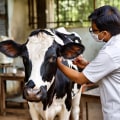
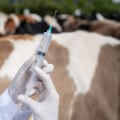
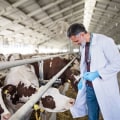
Providing proper care for newborn and young livestock is crucial for their growth, development, and overall health. This is where livestock health services come into play, offering essential support to farmers and ranchers in managing the well-being of their animals. These services encompass a range of practices, from routine health checks to emergency interventions, ensuring that livestock receive the best possible care from the very beginning of their lives. Understanding livestock health services involves recognizing the importance of early intervention and preventive measures. Newborn animals are particularly vulnerable to diseases and environmental stressors, making it imperative for caretakers to be proactive.
By utilizing professional animal health management services, farmers can implement vaccination schedules, nutritional plans, and biosecurity measures tailored to the specific needs of their young livestock. Moreover, effective livestock care goes beyond just medical attention; it includes creating a safe and nurturing environment that promotes healthy growth. This introductory section sets the stage for exploring detailed care practices that will enhance the vitality of newborn and young livestock, ensuring they thrive under responsible stewardship. As we delve deeper into this topic, we will uncover practical strategies and expert insights that can significantly impact livestock health outcomes.
The Importance of Early Care for Newborn Livestock
Providing proper care for newborn livestock is essential for ensuring their long-term health and productivity. The early days of a young animal's life are critical, as they lay the foundation for growth, development, and overall well-being.Neglecting this period can lead to serious health issues that may affect the animal throughout its life.
Newborn livestock
are particularly vulnerable to environmental stressors and diseases. During the first few hours after birth, it is crucial that they receive adequate colostrum, which is rich in antibodies and vital for building their immune system. This initial intake significantly influences their ability to fight off infections and thrive in their new environment.Moreover, the role of livestock health services cannot be overstated in this context. These services provide essential support through:- Health Assessments: Regular check-ups by veterinarians can help identify any potential health issues early on.
- Nutritional Guidance: Experts can recommend appropriate feeding practices to ensure that newborns receive the necessary nutrients for optimal growth.
- Vaccination Programs: Timely vaccinations protect young animals from common diseases that could jeopardize their health.
Healthy newborns are more likely to grow into strong adults capable of producing milk, meat, or offspring efficiently. In contrast, those that do not receive proper care may face stunted growth or chronic health problems, leading to increased veterinary costs and reduced profitability for livestock producers.In conclusion, investing time and resources into the early care of newborn livestock is not just a matter of compassion; it is a strategic decision that pays dividends in the form of healthier animals and improved farm productivity. Utilizing livestock health services ensures that these young animals receive the best possible start in life, setting them on a path toward success.
Essential Nutritional Needs for Young Livestock
Providing proper nutrition for newborn and young livestock is crucial for their growth, development, and overall health. The nutritional requirements vary by species, but there are some common principles that apply across the board.Colostrum Intake
- For most mammals, the first milk produced after birth, known as colostrum, is vital.
It is rich in antibodies and nutrients that help establish the immune system.
- Newborns should receive colostrum within the first few hours of life to maximize its benefits.
Balanced Diet
As young livestock grow, their dietary needs will change. A balanced diet typically includes:
- High-quality forage: Fresh grass or hay provides essential fiber and nutrients.
- Concentrates: Grains or pellets can be introduced to meet energy requirements as they grow.
- Minerals and vitamins: Supplements may be necessary to ensure that young animals receive adequate levels of calcium, phosphorus, and other essential nutrients.
Feeding Schedules
Establishing a consistent feeding schedule is important for young livestock:
- Newborns may require feeding every few hours, gradually transitioning to less frequent meals as they mature.
- Monitor their weight gain and adjust feed quantities accordingly to ensure they are growing at a healthy rate.
Hydration
Access to clean, fresh water is equally important. Young livestock should always have water available to support digestion and overall health.In summary, understanding the nutritional requirements for livestock, including the importance of colostrum, a balanced diet, a consistent feeding schedule, and proper hydration, is essential for promoting optimal growth and health in newborn and young animals. Regular consultations with livestock health services can provide tailored advice based on specific needs and conditions.
Vaccination and Preventative Health Measures
Providing proper care for newborn and young livestock is crucial for ensuring their health and productivity.One of the most effective ways to protect these animals is through a well-planned vaccination schedule. Vaccinations help prevent common diseases that can severely impact livestock health and, consequently, farm profitability.
Vaccination Schedule
- Calves: Begin vaccinations at 2-3 months of age, including vaccines for bovine respiratory disease and clostridial diseases.
- Lambs: Vaccinate against overeating disease and clostridial infections at 2-3 months, with boosters as recommended.
- Piglets: Administer vaccines for porcine parvovirus and leptospirosis starting at 3 weeks of age.
Preventative Health Measures
In addition to vaccinations, implementing comprehensive preventative health measures is essential. These measures include:
- Nutritional Management: Ensure that young animals receive a balanced diet rich in vitamins and minerals to support their immune systems.
- Biosecurity Practices: Limit exposure to pathogens by maintaining clean living conditions and controlling access to the livestock area.
- Regular Health Check-ups: Schedule routine veterinary visits to monitor the health of your livestock and adjust vaccination protocols as necessary.
Disease Prevention in Livestock
The role of veterinary services cannot be overstated in the context of disease prevention. A qualified veterinarian can provide tailored advice on vaccination protocols and preventative measures specific to your livestock's needs.
They can also assist in developing a comprehensive health plan that includes regular monitoring and adjustments based on emerging health threats.By prioritizing vaccinations and preventative health measures, you can significantly enhance the overall well-being of your young livestock, ensuring they grow into healthy adults capable of contributing to your farm's success.
Creating a Safe and Comfortable Environment
Creating a safe and comfortable environment for newborn and young livestock is essential for their health and well-being. Proper housing not only protects them from harsh weather conditions but also minimizes stress, which can lead to better growth and development.Livestock Housing Needs
- Space: Ensure that the housing provides adequate space for each animal. Overcrowding can lead to stress and increased risk of disease.
- Ventilation: Good airflow is crucial to prevent respiratory issues. Design your housing to allow fresh air circulation while keeping drafts to a minimum.
- Temperature Control: Newborns are particularly vulnerable to temperature extremes.
Use insulation and heating lamps in colder months, and ensure shade in warmer weather.
Safe Environment for Young Animals
- Fencing: Secure fencing is vital to protect young livestock from predators and prevent them from wandering off.
- Cleanliness: Regularly clean the living area to reduce the risk of infections. Remove waste promptly and provide fresh bedding.
- Safe Materials: Use non-toxic materials for housing and bedding. Avoid sharp objects or anything that could cause injury.
Comfort in Livestock Care
- Bedding: Provide soft, dry bedding such as straw or wood shavings. This not only offers comfort but also helps absorb moisture and control odors.
- Social Interaction: Young animals thrive on social interaction.
If possible, house them in small groups to promote bonding and reduce anxiety.
- Nutritional Access: Ensure that young livestock have easy access to clean water and high-quality feed, as proper nutrition is key to their comfort and growth.
Monitoring Health and Behavior of Young Livestock
Monitoring the health and behavior of young livestock is crucial for ensuring their well-being and productivity. Early detection of health issues can significantly improve outcomes, making it essential for farmers to be vigilant.Signs of Illness in Young Animals
- Changes in Appetite: A sudden decrease in feed intake or refusal to eat can indicate underlying health problems.
- Abnormal Behavior: Lethargy, isolation from the herd, or unusual vocalizations may signal distress or illness.
- Physical Symptoms: Look for signs such as coughing, nasal discharge, diarrhea, or abnormal posture. These can be indicators of respiratory issues or gastrointestinal problems.
- Temperature Monitoring: Regularly check the body temperature of young livestock. A temperature above the normal range (101.5°F to 103.5°F) can indicate fever and potential infection.
Healthy young livestock typically exhibit:
- Curiosity: Young animals should be inquisitive and explore their environment.
- Sociability: They should interact positively with other animals, showing signs of playfulness and bonding.
- Normal Grooming Habits: Regular grooming is a sign of comfort and health; neglecting grooming can indicate stress or illness.
Common Health Issues in Newborn and Young Livestock
Newborn and young livestock are particularly vulnerable to a range of health issues that can significantly impact their growth and development. Understanding these common health problems is crucial for any livestock owner aiming to ensure the well-being of their animals.Common Diseases in Young Livestock- Scours: This condition, often caused by bacterial or viral infections, leads to severe diarrhea in young animals.
It can result in dehydration and, if untreated, can be fatal.
- Pneumonia: Respiratory infections are common in young livestock, especially in crowded or poorly ventilated environments. Symptoms include coughing, nasal discharge, and difficulty breathing.
- Navel Ill: An infection at the umbilical cord site can occur if proper hygiene is not maintained during birth. This condition can lead to systemic infections if not addressed promptly.
- Joint Ill: Also known as infectious arthritis, this condition affects the joints of newborns and can be caused by bacteria entering through the navel or other wounds.
- Maintain a clean and dry environment to reduce exposure to pathogens.
- Ensure proper nutrition for pregnant and lactating animals to support healthy offspring.
- Implement vaccination programs as recommended by livestock health services.
- Regularly monitor the health of young animals and consult with a veterinarian at the first sign of illness.
FAQs About Caring for Newborn and Young Livestock
When it comes to caring for newborn and young livestock, many farmers have questions that arise from their unique needs.Here are some frequently asked questions that can help guide you in providing the best care.
What are the essential health checks for newborn livestock?
Newborn livestock should undergo several critical health checks shortly after birth. These include:- Temperature Monitoring: Ensure the animal's body temperature is within the normal range (generally between 101°F and 102.5°F).
- Umbilical Care: Clean the umbilical cord with iodine to prevent infections.
- Feeding: Ensure they receive colostrum within the first few hours of life, as it is vital for their immune system.
How can I ensure proper nutrition for young livestock?
Nutrition is crucial for the growth and development of young animals. Here are some tips:- Balanced Diet: Provide a balanced diet that includes high-quality forage, grains, and minerals appropriate for their age and species.
- Hydration: Always ensure access to clean, fresh water.
- Gradual Changes: Introduce new feeds gradually to avoid digestive issues.
What common health issues should I watch for?
Young livestock are susceptible to various health issues. Be vigilant for signs of:- Diarrhea: This can indicate infections or dietary problems.
- Coughing or Nasal Discharge: These symptoms may suggest respiratory infections.
- Lethargy: A lack of energy can be a sign of illness or nutritional deficiencies.
By addressing these common concerns and seeking expert advice when needed, you can promote healthy growth and development in your herd.
Conclusion: Ensuring Lifelong Health Through Proper Care
In conclusion, providing proper care for newborn and young livestock is essential for ensuring their long-term health and productivity. The early stages of an animal's life are critical, and the practices implemented during this time can have lasting effects on their overall well-being. To summarize, here are the key points to consider:- Nutritional Needs: Ensure that young livestock receive a balanced diet rich in essential nutrients. This includes high-quality forage, grains, and supplements as needed to support growth and development.
- Health Monitoring: Regularly monitor the health of your livestock. Early detection of any health issues can prevent more serious problems down the line.
Utilize livestock health services for vaccinations and routine check-ups.
- Comfortable Environment: Provide a clean, safe, and comfortable living environment. Proper shelter from extreme weather conditions is crucial for their health.
- Socialization: Young animals benefit from social interaction with their peers. This not only promotes mental well-being but also helps them develop necessary social skills.
- Veterinary Care: Establish a relationship with a qualified veterinarian who specializes in livestock. Regular veterinary care is vital for maintaining herd health and addressing any emerging issues promptly.
Remember, investing time and resources into proper care today will yield significant benefits in the future.