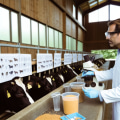
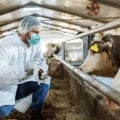
In the realm of livestock management, the concept of biosecurity plays a pivotal role in safeguarding the health and productivity of animals. Biosecurity refers to the measures taken to prevent the introduction and spread of infectious diseases within livestock populations. With the increasing threats posed by zoonotic diseases and other pathogens, understanding and implementing effective biosecurity protocols is more crucial than ever. This not only protects individual farms but also contributes to the overall health of the agricultural community. The significance of biosecurity cannot be overstated; it serves as the first line of defense against potential outbreaks that can devastate herds and flocks.
By investing in livestock health services that prioritize biosecurity, farmers can mitigate risks associated with disease transmission. This includes practices such as controlling access to livestock areas, maintaining proper sanitation, and monitoring animal health regularly. Each of these components plays a vital role in creating a robust biosecurity plan that ensures the well-being of livestock. Moreover, effective biosecurity measures not only enhance animal health but also improve economic stability for farmers. Healthy livestock lead to better productivity, reduced veterinary costs, and increased marketability.
As such, understanding biosecurity is not merely an operational necessity; it is an essential strategy for sustainable livestock management that benefits both producers and consumers alike.
Key Components of Effective Biosecurity Measures
Implementing effective biosecurity measures is essential for maintaining livestock health and preventing the spread of diseases. Here are the key components that should be integrated into your biosecurity plan:- Isolation: Keeping new animals separate from the existing herd is crucial. This practice allows for observation and monitoring for any signs of illness before introducing them to the main group. A minimum isolation period of 30 days is recommended.
- Sanitation: Regular cleaning and disinfection of equipment, housing, and vehicles that come into contact with livestock can significantly reduce disease transmission.
Use appropriate disinfectants and ensure that all surfaces are thoroughly cleaned.
- Monitoring: Regular health checks and monitoring of livestock for signs of illness are vital. Keeping detailed records of animal health, vaccination schedules, and any treatments administered can help in early detection of potential outbreaks.
- Controlled Access: Limiting access to your farm is another critical component. Only allow essential personnel and visitors, and ensure they follow strict hygiene protocols, such as changing clothes and footwear before entering livestock areas.
- Vaccination: Work with livestock health services to develop a vaccination program tailored to your specific herd needs. Vaccinations can provide a strong defense against common diseases.
Remember, the goal is to prevent disease before it occurs, ensuring a healthier environment for your animals.
Implementing Biosecurity Protocols on Your Farm
Implementing effective biosecurity protocols is essential for maintaining livestock health services and preventing the spread of diseases on your farm. Here are some practical steps to ensure a safe environment for your livestock:- Establish a Biosecurity Plan: Create a comprehensive biosecurity plan tailored to your farm's specific needs. This plan should outline procedures for animal introduction, movement, and isolation.
- Control Access: Limit access to your farm by establishing designated entry points. Ensure that all visitors, including veterinarians and delivery personnel, follow strict hygiene protocols, such as wearing clean clothing and using disinfectant footbaths.
- Quarantine New Animals: Before introducing new animals to your herd, quarantine them for at least 30 days.
Monitor their health closely during this period to prevent potential disease transmission.
- Maintain Cleanliness: Regularly clean and disinfect all equipment, vehicles, and facilities. Use appropriate cleaning agents that are effective against common pathogens affecting livestock.
- Implement Vaccination Programs: Work with your livestock health services provider to develop a vaccination schedule that protects your animals from prevalent diseases in your area.
- Monitor Animal Health: Conduct regular health checks on your livestock. Early detection of illness can prevent outbreaks and minimize the impact on your herd.
Training and Educating Staff on Biosecurity Practices
Ensuring the health of your livestock is paramount, and one of the most effective ways to achieve this is through comprehensive training and education of your staff on biosecurity practices. A well-informed team is essential for implementing effective livestock health services and maintaining a safe environment for your animals.Establishing a Training Program
- Develop a structured training program that covers all aspects of biosecurity, including disease prevention, sanitation protocols, and emergency response procedures.
- Incorporate hands-on training sessions that allow employees to practice biosecurity measures in real-life scenarios.
- Regularly update training materials to reflect the latest research and best practices in livestock health management.
Employee Protocols
- Create clear protocols for staff to follow when interacting with livestock, including guidelines on personal protective equipment (PPE) usage.
- Implement a system for reporting any signs of illness or unusual behavior in animals, ensuring that all employees understand the importance of prompt reporting.
- Encourage staff to participate in ongoing education opportunities, such as workshops or online courses focused on biosecurity and animal health.
Fostering a Culture of Biosecurity
To ensure compliance with biosecurity measures, it is crucial to foster a culture that prioritizes animal health.
Encourage open communication among staff regarding biosecurity concerns and successes. Recognize and reward employees who demonstrate exceptional adherence to biosecurity protocols. This not only reinforces the importance of these practices but also motivates others to follow suit.By investing in the training and education of your staff, you are taking significant steps toward safeguarding your livestock's health. A knowledgeable team equipped with the right skills can effectively implement biosecurity measures, ultimately leading to healthier animals and a more productive farm operation.
Monitoring and Evaluating Biosecurity Measures
Monitoring and evaluating biosecurity measures is crucial for maintaining livestock health services and ensuring the long-term success of your farming operations.By systematically assessing the effectiveness of your biosecurity protocols, you can identify areas for improvement and adapt your strategies to better protect your livestock.
1.Establish Clear Metrics
- Define specific indicators that reflect the health status of your livestock, such as disease incidence rates, mortality rates, and overall herd productivity.
- Utilize data from veterinary reports and health assessments to track these metrics over time.
2.Regular Audits
- Conduct regular audits of your biosecurity practices to ensure compliance with established protocols. This includes checking for proper sanitation, equipment maintenance, and personnel hygiene.
- Involve a third-party expert or veterinarian to provide an unbiased evaluation of your biosecurity measures.
3.Feedback Mechanisms
- Create a feedback loop where farm staff can report any breaches or concerns regarding biosecurity practices. This encourages a culture of vigilance and accountability.
- Hold regular training sessions to keep all personnel informed about the latest biosecurity protocols and the importance of their adherence.
4.Adaptation and Improvement
- Use the data collected from monitoring efforts to make informed decisions about necessary changes in your biosecurity measures. This may involve updating protocols based on new research or emerging threats.
- Stay informed about advancements in livestock health services, including vaccines and treatments that can enhance your biosecurity strategy.
Common Biosecurity Challenges and Solutions
Implementing effective biosecurity measures is crucial for maintaining livestock health services, yet various challenges can hinder these efforts.Understanding these obstacles and developing practical solutions is essential for any livestock operation.
- Challenge: Lack of Awareness
Many livestock owners may not fully understand the importance of biosecurity. This lack of awareness can lead to inadequate practices that expose animals to diseases. - Solution: Conduct regular training sessions and workshops to educate farmers about the significance of biosecurity. Providing resources such as brochures or online courses can also enhance understanding.
- Challenge: Financial Constraints
Implementing comprehensive biosecurity measures can be costly, especially for small-scale operations. This financial burden may deter farmers from adopting necessary practices. - Solution: Explore government grants or subsidies aimed at improving livestock health services.
Collaborating with local agricultural organizations can also provide access to shared resources, reducing individual costs.
- Challenge: Resistance to Change
Some livestock producers may be resistant to altering their established routines, even when faced with potential health risks. - Solution: Highlight success stories from peers who have implemented effective biosecurity measures. Demonstrating tangible benefits, such as improved animal health and reduced veterinary costs, can encourage others to adopt similar practices.
FAQs About Biosecurity in Livestock Health Services
When it comes to biosecurity in livestock health services, many producers have questions about how to effectively protect their animals from disease. Here are some of the most frequently asked questions:What is biosecurity in livestock management?
Biosecurity refers to the measures taken to prevent the introduction and spread of infectious diseases among livestock.This includes practices such as controlling access to farms, maintaining cleanliness, and monitoring animal health.
Why is biosecurity important for livestock health?
Implementing strong biosecurity measures is crucial for maintaining livestock health. It helps reduce the risk of disease outbreaks, which can lead to significant economic losses and affect animal welfare. Healthy animals contribute to better productivity and overall farm sustainability.What are common biosecurity practices?
- Controlled access: Limit who can enter your farm and ensure visitors follow strict hygiene protocols.
- Sanitation: Regularly clean and disinfect equipment, vehicles, and facilities to minimize disease transmission.
- Quarantine: Isolate new or sick animals before introducing them to the main herd.
- Vaccination: Stay up-to-date with vaccinations to protect against common diseases.
How can I educate my staff about biosecurity?
Training is essential for ensuring that all staff members understand the importance of biosecurity. Consider conducting regular workshops or providing written guidelines that outline best practices.Encourage open communication about any concerns related to livestock health services.
What should I do if I suspect a disease outbreak?
If you suspect a disease outbreak, it’s vital to act quickly. Isolate affected animals immediately and contact your veterinarian for guidance. They can help you assess the situation and implement necessary measures to control the spread of disease.By addressing these common questions, livestock producers can better understand the importance of biosecurity in maintaining healthy herds and ensuring the success of their operations.Conclusion: The Importance of Biosecurity for Livestock Health Services
In conclusion, the implementation of robust biosecurity measures is essential for maintaining the health and productivity of livestock. By prioritizing biosecurity, farmers and livestock owners can significantly reduce the risk of disease outbreaks that can devastate herds and impact overall livestock health services.Throughout this article, we have explored various strategies to enhance biosecurity, including:- Regular health monitoring: Keeping a close eye on the health of your animals allows for early detection of potential issues.
- Controlled access: Limiting who can enter livestock areas helps prevent the introduction of pathogens.
- Sanitation practices: Regular cleaning and disinfection of equipment and facilities are crucial in minimizing disease transmission.
- Vaccination programs: Ensuring that livestock are vaccinated against common diseases is a proactive measure that supports overall herd immunity.
This collective effort not only protects individual farms but also contributes to the broader agricultural community by preventing the spread of diseases.Ultimately, investing in biosecurity is an investment in the future of your livestock operation. By adopting these practices, you not only safeguard your animals but also enhance the quality and reliability of livestock health services. Remember, a healthy herd is a productive herd, and biosecurity is the cornerstone of achieving that goal.