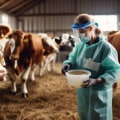
Maintaining good reproductive health in livestock is crucial for any breeding operation aiming for success.
Reproductive health
directly influences the productivity and profitability of your breeding stock, making it a key focus for farmers and livestock managers. Healthy breeding animals not only produce more offspring but also contribute to the overall vitality of the herd, ensuring that each generation is stronger and more resilient. Understanding the intricacies of livestock health services is essential for effective management of reproductive health. These services encompass a range of practices, from regular veterinary check-ups to advanced reproductive technologies such as artificial insemination and embryo transfer.By leveraging these services, farmers can monitor the reproductive status of their animals, identify potential issues early, and implement strategies to enhance fertility rates. Moreover, the importance of breeding stock health cannot be overstated. Factors such as nutrition, stress management, and disease prevention play significant roles in maintaining reproductive efficiency. A well-rounded approach that includes proper feeding regimens, stress reduction techniques, and vaccination programs can significantly improve the reproductive outcomes in livestock. By prioritizing these aspects, farmers can ensure that their breeding stock remains healthy and productive, ultimately leading to a more sustainable and profitable operation.
The Role of Nutrition in Reproductive Health
Maintaining good reproductive health in breeding livestock is heavily influenced by nutrition.A well-balanced diet not only supports overall health but also enhances fertility and reproductive performance. Understanding the specific nutritional needs of breeding stock is essential for optimizing their reproductive capabilities.
Essential Nutrients for Reproductive Health
Key nutrients play a vital role in the reproductive health of livestock:- Energy: Adequate energy intake is crucial, especially during breeding and gestation periods. Energy deficits can lead to poor conception rates and increased calving intervals.
- Protein: High-quality protein sources are necessary for the development of reproductive tissues and hormones. Ensure that your livestock's diet includes sufficient protein to support their reproductive functions.
- Vitamins and Minerals: Vitamins A, D, E, and B-complex, along with minerals like zinc, selenium, and calcium, are essential for reproductive health.
These nutrients help in hormone production and overall fertility.
Dietary Strategies to Enhance Fertility
Implementing specific dietary strategies can significantly improve reproductive outcomes:- Balanced Rations: Formulate rations that meet the specific needs of your breeding stock based on their age, weight, and reproductive status.
- Regular Monitoring: Regularly assess body condition scores (BCS) to ensure livestock are neither underweight nor overweight, as both conditions can negatively impact fertility.
- Supplementation: Consider using supplements to address any deficiencies in the diet. This is particularly important during critical periods such as pre-breeding and gestation.
Regular Health Assessments and Veterinary Care
Maintaining good reproductive health in your breeding stock is crucial for the overall productivity and profitability of your livestock operation. One of the most effective ways to achieve this is through regular health assessments and veterinary care.Importance of Regular Health Assessments
- Regular health assessments help identify potential reproductive issues before they escalate into serious problems.
- These assessments can include physical examinations, blood tests, and screenings for common reproductive diseases.
- By monitoring the health of your breeding stock, you can make informed decisions about breeding schedules and culling practices.
Veterinary Care for Breeding Stock
Engaging with a qualified veterinarian who specializes in livestock health services is essential.
They can provide:
- Routine check-ups: Regular visits ensure that any health concerns are addressed promptly.
- Vaccination programs: Keeping your breeding stock vaccinated against common diseases helps prevent outbreaks that can affect reproductive performance.
- Nutritional advice: A veterinarian can recommend dietary adjustments to support reproductive health, ensuring that your animals receive the necessary vitamins and minerals.
Reproductive Health Check-Ups
Specific reproductive health check-ups should be scheduled at critical times, such as:
- Before the breeding season to assess overall health and fertility.
- During pregnancy to monitor the health of both the dam and the developing fetus.
- Postpartum to ensure recovery and readiness for future breeding cycles.
Breeding Management Practices
Effective breeding management is crucial for maintaining the reproductive health of your livestock. It involves a combination of timing, techniques, and monitoring to ensure optimal breeding outcomes. One of the first steps in successful breeding management is understanding the estrous cycle of your animals. This knowledge allows you to time breeding activities accurately, whether you are using artificial insemination or natural breeding methods.Regular observation and record-keeping can help identify the best times for breeding, maximizing the chances of conception.
Artificial Insemination Techniques
Artificial insemination (AI) is a widely used technique that offers several advantages, including genetic improvement and disease control. To implement AI effectively:- Ensure that you have trained personnel who can perform the procedure correctly.
- Select high-quality semen from reputable sources to enhance genetic diversity.
- Utilize synchronization protocols to align the estrous cycles of your females, making it easier to time insemination.
Natural Breeding Techniques
For those who prefer natural breeding, selecting the right bull or male animal is critical. Look for traits such as:- Good health and vigor
- Proven fertility rates
- Desirable genetic traits that align with your breeding goals
Ensure that animals are kept in stress-free conditions with adequate nutrition and access to clean water. In conclusion, whether you choose artificial insemination or natural breeding techniques, effective breeding management practices are essential for maintaining good reproductive health in your livestock. Regular monitoring, proper timing, and attention to animal welfare will lead to healthier breeding stock and improved productivity.
Environmental Factors Affecting Reproductive Health
Maintaining good reproductive health in breeding stock is significantly influenced by environmental factors. These factors encompass housing conditions, temperature, and various stressors that can adversely affect livestock reproduction.Housing Conditions
- Proper housing is essential for the well-being of breeding stock. Adequate space, ventilation, and cleanliness are crucial to minimize the risk of disease and stress.
- Overcrowding can lead to increased competition for resources, which may result in lower reproductive performance.
Ensuring that animals have enough room to move freely can help reduce stress levels.
- Additionally, the design of the housing should allow for natural behaviors. For instance, providing areas for resting and social interaction can enhance overall animal welfare.
Temperature and Climate
- Temperature extremes can have a profound impact on reproductive health. High temperatures can lead to heat stress, which negatively affects fertility in both males and females.
- In colder climates, inadequate shelter can result in hypothermia or other health issues that compromise reproductive capabilities. It is vital to provide appropriate heating or cooling systems to maintain a comfortable environment.
Stress Factors
- Stress is a significant factor that can hinder reproductive success.
Common stressors include changes in routine, handling practices, and environmental disturbances.
- Implementing low-stress handling techniques and maintaining a consistent routine can help mitigate these stressors. Regular monitoring of animal behavior can also provide insights into their well-being.
Common Reproductive Disorders in Livestock
Maintaining good reproductive health in livestock is crucial for any breeding operation. Understanding common reproductive disorders can help farmers and breeders identify issues early and implement effective management strategies.Some of the most prevalent reproductive disorders in livestock include:- Infertility: This can be caused by various factors, including hormonal imbalances, poor nutrition, or environmental stressors.
- Metritis: An infection of the uterus that can occur after calving or birthing, leading to severe health complications if not treated promptly.
- Retained Placenta: This condition occurs when the placenta is not expelled after delivery, which can lead to infections and further reproductive issues.
- Abortion: Spontaneous abortion can result from infectious diseases, nutritional deficiencies, or genetic factors.
Some indicators to watch for include:
- Irregular estrous cycles or prolonged intervals between heats.
- Changes in behavior, such as increased aggression or lethargy.
- Poor body condition or weight loss in breeding stock.
- Unusual discharge from the reproductive tract.
Prevention
of reproductive diseases is key to maintaining a healthy breeding program. Here are some effective strategies:
- Regular Veterinary Check-ups: Schedule routine health assessments with livestock health services to monitor reproductive health and catch potential issues early.
- Nutritional Management: Ensure that your livestock receive a balanced diet rich in essential vitamins and minerals to support reproductive function.
- Biosecurity Measures: Implement strict biosecurity protocols to minimize exposure to infectious agents that can cause reproductive disorders.
- Stress Reduction: Create a comfortable environment for your livestock to reduce stress, which can negatively impact reproduction.
Utilizing Technology in Livestock Reproduction Management
In the modern era of livestock health services, technology plays a pivotal role in enhancing reproductive management for breeding stock. By leveraging advanced tools and systems, farmers can significantly improve their decision-making processes and overall herd health.Monitoring Tools for Breeding Stock
- Wearable Technology: Devices such as pedometers and activity monitors can track the physical activity of livestock, providing insights into their reproductive cycles. Increased activity often indicates estrus, allowing for timely breeding interventions.
- Ultrasound Imaging: This technology enables early pregnancy detection and monitoring of fetal development, which is crucial for managing the health of both the mother and offspring.
- Automated Heat Detection Systems: These systems utilize sensors to monitor behavioral changes in livestock, ensuring that farmers do not miss optimal breeding windows.
Data Analysis for Better Decision-Making
The integration of data analytics in livestock management allows producers to make informed decisions based on real-time information.
By collecting data on reproductive performance, health status, and environmental conditions, farmers can:
- Identify trends in fertility rates and adjust breeding strategies accordingly.
- Monitor the health of individual animals to prevent disease outbreaks that could impact reproduction.
- Optimize nutrition and care based on specific needs identified through data analysis.
FAQs About Maintaining Reproductive Health in Breeding Stock
Maintaining reproductive health in breeding stock is crucial for the success of any livestock operation. Here are some frequently asked questions that can help you navigate this important aspect of livestock health services.What are the common signs of reproductive issues in livestock?
Identifying reproductive issues early can save time and resources. Common signs include:- Irregular estrous cycles: If your females are not cycling regularly, it may indicate underlying health problems.
- Low conception rates: A significant drop in pregnancy rates can signal issues with nutrition or health.
- Abnormal discharge: Any unusual discharge from the reproductive tract should be examined by a veterinarian.
How can I improve the reproductive health of my breeding stock?
Improving reproductive health involves a combination of management practices:- Nutrition: Ensure that your breeding stock receives a balanced diet rich in vitamins and minerals, particularly during breeding season.
- Regular veterinary check-ups: Schedule routine health assessments to catch any potential issues early.
- Stress management: Minimize stressors in the environment, as stress can negatively impact reproduction.
What role do vaccinations play in reproductive health?
Vaccinations are essential for preventing diseases that can affect reproductive performance.Consult with your veterinarian to develop a vaccination schedule tailored to your livestock's needs.
When should I seek professional help?
If you notice persistent reproductive issues or if your breeding stock fails to conceive after multiple cycles, it’s time to consult a professional. Early intervention can lead to better outcomes and improved herd productivity.By addressing these common concerns and implementing effective strategies, you can significantly enhance the reproductive health of your breeding stock, ensuring a more productive and profitable operation.Conclusion: Key Takeaways for Optimal Reproductive Health Management
Maintaining good reproductive health in your breeding stock is essential for the overall productivity and profitability of your livestock operation. Here are the key takeaways to ensure optimal reproductive health management:- Regular Health Assessments: Schedule routine veterinary check-ups to monitor the reproductive health of your animals. Early detection of issues can prevent larger problems down the line.
- Nutrition and Diet: Provide a balanced diet rich in essential nutrients.
Proper nutrition supports reproductive functions and enhances fertility rates.
- Biosecurity Measures: Implement strict biosecurity protocols to minimize the risk of disease transmission. This includes controlling access to breeding areas and maintaining cleanliness.
- Breeding Management: Utilize effective breeding techniques, such as artificial insemination or controlled breeding seasons, to optimize conception rates and improve genetic quality.
- Stress Reduction: Minimize stressors in the environment, as stress can negatively impact reproductive performance. Ensure that animals have adequate space, shelter, and social interaction.
- Record Keeping: Maintain detailed records of breeding dates, health assessments, and any treatments administered. This data is invaluable for tracking performance and making informed decisions.
Remember that livestock health services play a crucial role in this process, providing expert guidance and support tailored to your specific needs. Prioritizing reproductive health not only benefits your animals but also contributes to the sustainability and success of your farming operation.