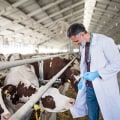
Maintaining livestock health is crucial for the well-being of animals and the overall productivity of farms. Livestock, including cattle, sheep, pigs, and poultry, are susceptible to a variety of injuries that can significantly impact their health and the economic viability of farming operations. Understanding these common injuries is essential for farmers and livestock owners who rely on livestock health services to ensure their animals remain healthy and productive. Injuries in livestock can arise from numerous sources, including environmental factors, handling practices, and even interactions with other animals. For instance, slips and falls can lead to fractures or sprains, while aggressive behavior during breeding or feeding can result in wounds or bruises.
These injuries not only affect the individual animal's welfare but can also have broader implications for herd health and farm productivity. By recognizing the signs of common livestock injuries and seeking appropriate livestock care, farmers can mitigate risks and promote recovery. This proactive approach not only enhances animal welfare but also contributes to the sustainability of farming practices. In the following sections, we will delve deeper into specific types of injuries that commonly affect livestock, their causes, and effective management strategies to prevent them.
Types of Common Injuries in Livestock
Understanding the types of common injuries in livestock is essential for effective livestock health services. Different species face unique risks, and recognizing these can help in prevention and treatment.Cattle Injuries
Cattle are prone to various injuries, often due to their size and environment.Common injuries include:
- Foot and Leg Injuries: Conditions such as laminitis or foot rot can severely affect mobility.
- Trauma from Handling: Improper handling during transport or veterinary procedures can lead to bruises or fractures.
- Gastrointestinal Issues: Bloat and other digestive problems can arise from dietary changes or stress.
Sheep Injuries
Sheep also experience specific injuries that can impact their health:- Shearing Cuts: Improper shearing techniques can cause cuts and abrasions.
- Predator Attacks: Sheep are vulnerable to attacks from predators, leading to serious injuries or fatalities.
- Foot Rot: This bacterial infection affects the hooves, causing pain and lameness.
Pig Injuries
Pigs are susceptible to a range of injuries, particularly in intensive farming systems:- Skin Abrasions: These can occur due to rough housing conditions or fighting among pigs.
- Leg Injuries: Pigs may suffer from fractures or sprains, especially in overcrowded environments.
- Respiratory Issues: Injuries related to respiratory distress can arise from poor ventilation or high-stress situations.
Causes of Injuries in Livestock
Understanding the causes of injuries in livestock is crucial for implementing effective livestock health services and ensuring the well-being of animals. Various factors contribute to injuries, ranging from environmental conditions to handling practices.Environmental Factors
Environmental conditions play a significant role in livestock injuries. For instance:- Weather Extremes: Extreme temperatures, whether hot or cold, can lead to stress and increase the likelihood of injuries.
- Terrain: Uneven or rocky ground can cause slips and falls, particularly in older or less agile animals.
- Fencing and Enclosures: Poorly maintained fences can lead to accidents, as animals may attempt to escape or become entangled.
Handling Practices
Improper handling techniques can also result in injuries.Common issues include:
- Aggressive Handling: Rough treatment during routine care or transportation can lead to physical harm.
- Lack of Training: Inexperienced handlers may not recognize signs of distress or may inadvertently cause injury through improper techniques.
Accidents
Accidental injuries are another prevalent cause. These can occur due to:- Equipment Malfunction: Faulty machinery used for feeding or milking can pose serious risks.
- Interactions with Other Animals: Aggressive behavior from other livestock can lead to fights and subsequent injuries.
Signs and Symptoms of Injuries in Livestock
Recognizing the signs and symptoms of injuries in livestock is crucial for maintaining their health and well-being. Farmers and caretakers must be vigilant in observing their animals to ensure timely intervention. Here are some common indicators that an animal may be injured:- Behavioral Changes: Injured livestock often exhibit changes in behavior.
They may become more withdrawn, aggressive, or show signs of distress. Pay attention to any unusual vocalizations or reluctance to move.
- Physical Signs: Look for visible signs of injury such as swelling, cuts, or bruises. Limping or favoring a particular limb can indicate pain or injury in that area.
- Appetite Changes: A decrease in appetite or refusal to eat can be a significant indicator of pain or discomfort. Monitor feeding habits closely, as this can also affect overall health.
- Posture and Movement: Observe how the animal stands and moves.
An injured animal may have an abnormal posture, such as holding its head low or standing with its legs spread apart to maintain balance.
Preventive Measures for Livestock Injuries
Preventing injuries in livestock is crucial for maintaining livestock health services and ensuring the overall well-being of the animals. Implementing effective preventive measures can significantly reduce the risk of injuries, leading to better health outcomes and lower veterinary costs.1.Proper Housing and Environment
- Ensure that livestock housing is spacious, well-ventilated, and free from hazards such as sharp objects or slippery surfaces.
- Regularly inspect and maintain fences and gates to prevent animals from escaping or getting injured.
- Provide adequate bedding to minimize the risk of slips and falls, especially in areas where animals rest or sleep.
2.Nutrition and Health Monitoring
- Feed livestock a balanced diet tailored to their specific needs, which can help strengthen their bones and muscles.
- Regularly monitor the health of the animals through veterinary check-ups to catch any potential issues early.
- Vaccinate livestock against common diseases that could lead to injuries or health complications.
3.Handling and Training
- Train staff on safe handling techniques to minimize stress and injury during routine care or transportation.
- Use appropriate equipment when moving or restraining animals to prevent accidents.
- Implement low-stress handling practices that promote calmness in livestock, reducing the likelihood of panic-induced injuries.
4.Regular Exercise
- Allow livestock ample space for exercise, which can improve their physical condition and reduce the risk of injuries related to inactivity.
- Create safe areas for exercise that are free from obstacles that could cause harm.
Investing in preventive measures not only protects the animals but also contributes to the sustainability of farming operations by reducing potential veterinary expenses associated with injuries.
Treatment Options for Injured Livestock
When livestock sustain injuries, prompt and effective treatment is crucial for their recovery and overall health. Various treatment options are available, depending on the type and severity of the injury.Veterinary Care
- Initial Assessment: A qualified veterinarian should conduct a thorough examination to determine the extent of the injury. This may include physical examinations, imaging techniques like X-rays, and diagnostic tests.
- Wound Management: For external injuries, proper wound care is essential. This can involve cleaning the wound, applying antiseptics, and using bandages to protect the area from infection.
- Pain Management: Pain relief is a critical component of treatment.
Veterinarians may prescribe non-steroidal anti-inflammatory drugs (NSAIDs) or other analgesics to help manage pain and inflammation.
- Surgical Intervention: In cases of severe injuries, such as fractures or deep lacerations, surgical procedures may be necessary to repair damage and facilitate healing.
Rehabilitation and Recovery
- Rest and Nutrition: Providing a stress-free environment with adequate nutrition is vital for recovery. Ensuring that injured livestock have access to high-quality feed and clean water can significantly impact their healing process.
- Physical Therapy: Depending on the injury, physical therapy may be recommended to help restore mobility and strength. This can include gentle exercises or hydrotherapy.
- Monitoring Progress: Regular follow-ups with a veterinarian are essential to monitor the healing process and make any necessary adjustments to the treatment plan.
The Role of Livestock Health Services in Injury Management
Effective livestock health services are essential for managing injuries in farm animals, ensuring their well-being and productivity.These services encompass a range of activities, from preventive care to emergency treatment, all aimed at maintaining optimal animal health.
Prevention
is the first line of defense against injuries in livestock. Regular health check-ups and vaccinations provided by veterinary services help identify potential health risks before they escalate into serious issues. For instance, routine hoof trimming and dental care can prevent injuries related to mobility and feeding, respectively.When injuries do occur, timely and professional treatment is crucial.Veterinary services for livestock
offer immediate care for various injuries, such as fractures, lacerations, or infections.Trained veterinarians can assess the severity of an injury and implement appropriate treatment plans, which may include surgical intervention, medication, or rehabilitation strategies.Moreover, ongoing care is vital for recovery and long-term health management.
Animal health management
involves monitoring the healing process and making necessary adjustments to the treatment plan. This may include follow-up visits to ensure that the animal is responding well to treatment and to prevent complications.In addition to direct medical care, livestock health services also provide education to farmers about best practices in animal husbandry. This knowledge empowers farmers to create safer environments that minimize the risk of injuries.For example, understanding proper handling techniques and housing conditions can significantly reduce stress and injury rates among livestock.In conclusion, the role of livestock health services in injury management is multifaceted, encompassing prevention, treatment, and ongoing care. By investing in these professional services, farmers can enhance the overall health of their livestock, leading to improved productivity and welfare.
FAQs About Livestock Injuries and Health Services
When it comes to livestock health services, understanding common injuries and their management is crucial for farmers and ranchers. Here are some frequently asked questions regarding livestock injuries:What are the most common injuries in livestock?
Common injuries in livestock include:- Foot and leg injuries: These can occur due to rough terrain, improper hoof care, or accidents during handling.
- Wounds and lacerations: Often resulting from fights with other animals or sharp objects in their environment.
- Respiratory issues: Injuries can also manifest as respiratory problems, often linked to environmental stressors.
- Digestive disorders: These can arise from dietary changes or ingestion of foreign objects.
How can I prevent injuries in my livestock?
Preventive measures include:- Regular veterinary check-ups to monitor overall health.
- Providing a safe and clean living environment.
- Implementing proper handling techniques during transportation and care.
- Ensuring adequate nutrition to support strong bones and muscles.
What should I do if my livestock is injured?
If you suspect an injury, it’s essential to:- Assess the injury: Determine the severity and type of injury.
- Isolate the affected animal: This helps prevent further injury and allows for focused care.
- Contact a veterinarian: Timely professional intervention can make a significant difference in recovery.
Conclusion: Ensuring the Health and Safety of Livestock
In conclusion, understanding the common injuries that can occur in livestock is crucial for maintaining livestock health and ensuring the overall productivity of a farm.From lacerations and fractures to respiratory issues and infectious diseases, each type of injury presents unique challenges that require prompt attention and effective management.The role of livestock health services cannot be overstated. These services provide essential support in diagnosing, treating, and preventing injuries and illnesses in livestock. Regular health check-ups, vaccinations, and proper nutrition are vital components of a comprehensive health plan that can significantly reduce the incidence of injuries.Moreover, implementing best practices in animal husbandry can help mitigate risks associated with common injuries. For instance:
- Proper Housing: Ensuring that livestock have safe and comfortable living conditions can prevent many injuries related to slips, falls, or overcrowding.
- Regular Monitoring: Keeping a close eye on livestock for any signs of distress or injury allows for early intervention, which is often critical for recovery.
- Training and Education: Educating farm staff about the signs of common injuries and the importance of immediate care can lead to better outcomes for affected animals.
By leveraging livestock health services, farmers can ensure their animals remain healthy, productive, and free from preventable injuries.