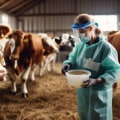
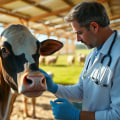
In the realm of agriculture, livestock health services play a crucial role in ensuring the well-being and productivity of farm animals. These services encompass a wide range of practices, from routine veterinary check-ups to emergency care, all aimed at maintaining optimal health for livestock. Understanding the importance of these services is essential for any farmer or livestock owner, as healthy animals are not only vital for the success of a farm but also contribute to the overall food supply chain. Proper veterinary care for livestock goes beyond just treating injuries or illnesses; it involves preventive measures that can significantly reduce the risk of health issues. Regular vaccinations, nutritional guidance, and health monitoring are integral components of livestock health services that help in early detection and management of potential problems.
By investing in these services, farmers can ensure their animals thrive, which in turn supports sustainable farming practices. Moreover, having a solid understanding of first aid for livestock is an invaluable skill that complements professional veterinary care. In emergencies, knowing how to provide immediate assistance can make a significant difference in an animal's recovery and overall health. This knowledge not only empowers farmers but also fosters a deeper connection between them and their animals, reinforcing the importance of proactive health management in livestock operations.
Common Injuries in Livestock and Their Causes
Understanding the common injuries that livestock may experience is crucial for any farmer aiming to maintain optimal livestock health services. Recognizing these injuries early can significantly improve recovery outcomes and reduce the risk of complications. Some of the most prevalent types of injuries in farm animals include:- Cuts and Lacerations: These can occur from sharp objects, barbed wire, or even during fights among animals.
They can lead to infections if not treated promptly.
- Fractures: Livestock can suffer from fractures due to falls, accidents, or rough handling. Fractures may be difficult to detect without proper examination.
- Sprains and Strains: These injuries often result from overexertion or improper movement. They are common in animals that are not accustomed to heavy work.
- Infections: Open wounds can become infected, leading to more severe health issues. Common signs include swelling, heat, and discharge.
- Environmental Hazards: Poorly maintained fencing, slippery surfaces, and sharp objects in pastures can contribute to injuries.
- Animal Behavior: Aggressive interactions between animals or stress-induced behaviors can lead to physical harm.
- Poor Handling Practices: Improper techniques during transportation or routine care can result in accidental injuries.
This proactive approach not only enhances livestock health services but also ensures the well-being of the entire herd.
Essential First Aid Supplies for Livestock
When it comes to ensuring livestock health, having a well-stocked first aid kit is essential for any farmer. Being prepared with the right supplies can make a significant difference in the outcome of an injury. Below are some of the essential first aid supplies for livestock that should be included in your kit:- Antiseptic Solutions: Products like iodine or chlorhexidine are crucial for cleaning wounds and preventing infections.
- Bandages and Dressings: Various sizes of gauze pads, adhesive bandages, and elastic bandages are necessary for covering wounds and providing support.
- Scissors and Tweezers: Sharp scissors can help cut bandages or clothing, while tweezers are useful for removing splinters or debris from wounds.
- Thermometer: A digital thermometer is vital for monitoring the body temperature of your livestock, helping to identify fever or illness.
- Pain Relief Medications: Non-steroidal anti-inflammatory drugs (NSAIDs) specifically formulated for animals can help manage pain and inflammation.
- Saline Solution: This can be used for flushing out wounds or eyes that may have been exposed to irritants.
- Vet Wrap: This self-adhesive bandage is excellent for securing dressings without sticking to the skin, making it ideal for livestock.
- First Aid Manual: A comprehensive guide on treating common injuries and ailments can be invaluable in emergencies.
Being prepared with a complete livestock first aid kit not only enhances the health of your animals but also provides peace of mind during emergencies.
Step-by-Step First Aid Procedures for Common Injuries
When it comes to livestock health services, knowing how to provide first aid for common injuries is crucial for any farmer. Here are step-by-step procedures for treating some of the most frequent injuries.Treating Cuts in Livestock
Cuts can occur due to sharp objects or rough handling. Here’s how to treat them:- Assess the Injury: Check the depth and location of the cut. If it’s deep or bleeding heavily, seek veterinary assistance.
- Clean the Wound: Use clean water or saline solution to gently rinse the area, removing any dirt or debris.
- Apply Antiseptic: After cleaning, apply a suitable antiseptic solution to prevent infection.
- Dress the Wound: Cover the cut with a sterile bandage or gauze, securing it with tape or a wrap.
- Monitor for Infection: Keep an eye on the wound for signs of infection, such as swelling, redness, or discharge.
First Aid for Fractures in Animals
Fractures can be serious and require immediate attention.Follow these steps:
- Stay Calm: Your calm demeanor will help keep the animal calm as well.
- Limit Movement: Prevent the animal from moving to avoid further injury. If possible, confine it to a small area.
- Immobilize the Limb: Use splints made from wood or other sturdy materials to stabilize the fracture. Ensure they are padded to avoid additional pain.
- Seek Veterinary Help: Contact a veterinarian immediately for professional treatment and further care.
Recognizing When to Seek Professional Help
Understanding when to seek professional help is crucial for maintaining livestock health. While minor injuries can often be treated on-site, certain signs indicate that a veterinarian's expertise is necessary.Signs of Serious Injury in Livestock- Severe Bleeding: If you notice excessive blood loss, it’s essential to call a veterinarian immediately.
This could indicate a serious injury that requires surgical intervention.
- Difficulty Breathing: Any signs of respiratory distress, such as labored breathing or wheezing, should prompt an urgent call to your vet.
- Inability to Stand: If your livestock cannot rise after an injury, this may suggest a serious condition like a fracture or severe pain that needs professional assessment.
- Signs of Shock: Symptoms such as rapid heart rate, weakness, or cold extremities can indicate shock, which is a medical emergency.
- Unusual Behavior: If your animal is unusually agitated, lethargic, or showing signs of distress, it may be time to consult a veterinarian.
Regular check-ups and consultations with livestock health services can also help prevent injuries and illnesses before they become serious problems. In summary, being vigilant about your livestock's health and recognizing the signs that require professional intervention can save lives and ensure the well-being of your animals. Always keep your veterinarian's contact information readily available for emergencies.
Preventative Measures to Reduce Injuries in Livestock
Preventing injuries in livestock is essential for maintaining livestock health services and ensuring the well-being of your animals. Implementing effective safety measures can significantly reduce the risk of accidents and injuries on your farm.1.Proper Housing and Environment
- Ensure that barns and shelters are well-constructed, with no sharp edges or protruding nails that could harm animals.
- Maintain clean and dry living conditions to prevent slips and falls, especially in wet weather.
- Provide adequate space for each animal to move freely, reducing stress and the likelihood of fights or accidents.
2.Regular Health Checks
- Conduct routine health assessments to identify any potential issues before they lead to injuries.
- Keep vaccinations up to date to prevent diseases that could compromise an animal's health and increase injury risk.
3.Training and Handling
- Train all personnel on safe handling techniques to minimize stress and injury during routine care.
- Use low-stress handling methods, such as gentle movements and calm voices, to keep animals relaxed.
4.Equipment Safety
- Regularly inspect and maintain all farm equipment to ensure it is in good working condition, reducing the risk of accidents.
- Store tools and machinery safely out of reach of livestock to prevent injuries from accidental contact.
5.Pasture Management
- Rotate pastures regularly to prevent overgrazing, which can lead to injuries from uneven terrain.
- Remove any hazardous materials or debris from grazing areas that could pose a threat to livestock.
Frequently Asked Questions About Livestock First Aid
When it comes to livestock health services, many farmers have questions about how to effectively provide first aid to their animals. Here are some frequently asked questions that can help clarify common concerns:What are the basic steps for providing first aid to injured livestock?
First aid for livestock generally involves the following steps:- Assess the situation: Determine the severity of the injury and whether immediate veterinary assistance is needed.
- Ensure safety: Make sure you and your livestock are in a safe environment to prevent further injury.
- Control bleeding: Apply pressure to any wounds using a clean cloth or bandage.
- Clean the wound: Use saline solution or clean water to gently rinse the area, removing dirt and debris.
- Apply a dressing: Cover the wound with a sterile bandage or dressing to protect it from infection.
- Monitor the animal: Keep an eye on the injured livestock for signs of shock or infection.
How can I tell if my livestock needs professional veterinary care?
If your animal shows any of the following signs, it’s crucial to seek professional veterinary assistance:- Severe bleeding that doesn’t stop with pressure.
- Fractures or broken bones.
- Signs of shock, such as rapid breathing or weakness.
- Persistent pain or distress despite first aid measures.
What supplies should I keep in my first aid kit for livestock?
A well-stocked first aid kit is essential for any farmer.Consider including the following items:
- Sterile bandages and gauze
- Antiseptic solution
- Tweezers and scissors
- Pain relief medications (as advised by a vet)
- A thermometer for checking body temperature
- A muzzle for aggressive animals during treatment
Conclusion: Ensuring the Health and Safety of Your Livestock
In conclusion, ensuring the health and safety of your livestock is a multifaceted responsibility that requires preparation, knowledge, and the right resources. By understanding the basics of first aid and being equipped with essential supplies, you can significantly improve the outcomes for your animals in case of injury. Throughout this article, we have emphasized the importance of livestock health services as a critical component of effective animal care. Regular check-ups and consultations with veterinary professionals can help you stay informed about the specific needs of your livestock, including vaccinations and preventive measures. Moreover, having a well-stocked first aid kit tailored to your livestock's needs is vital.This kit should include:
- Antiseptics for cleaning wounds
- Bandages and gauze for dressing injuries
- Thermometers to monitor body temperature
- Medications as prescribed by your veterinarian
- Tools for handling emergencies, such as scissors and tweezers