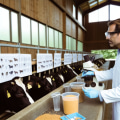
Maintaining proper sanitation in livestock facilities is not just a matter of aesthetics; it is a critical component of livestock health services that directly influences the well-being and productivity of animals. Clean environments help prevent the spread of diseases, reduce stress among livestock, and ultimately lead to better growth rates and higher yields. When facilities are kept clean, the risk of infections and parasites diminishes significantly, allowing farmers to focus on other essential aspects of livestock management. The importance of sanitation extends beyond the immediate health benefits. A clean facility can enhance the overall efficiency of operations, making it easier to manage feeding, breeding, and veterinary care.
Moreover, maintaining high standards of cleanliness can improve the quality of products derived from livestock, such as milk and meat, which are increasingly scrutinized by consumers for safety and quality. This not only boosts the reputation of the farm but also aligns with consumer demand for ethically produced food. Incorporating effective sanitation practices into daily routines can yield substantial benefits. Regular cleaning schedules, proper waste management, and biosecurity measures are essential elements that contribute to a healthier environment for livestock. By prioritizing cleanliness, farmers can ensure that their livestock facilities support optimal health outcomes and enhance productivity, ultimately leading to a more sustainable farming operation.
Key Principles of Sanitation in Livestock Facilities
Maintaining a high standard of sanitation in livestock facilities is crucial for promoting livestock health services and preventing disease outbreaks.Here are some key principles to consider:
- Regular Cleaning: Establish a routine cleaning schedule that includes daily, weekly, and monthly tasks. Daily tasks should focus on removing manure, spilled feed, and bedding, while weekly and monthly tasks can involve deep cleaning of surfaces and equipment.
- Disinfection: After cleaning, use appropriate disinfectants to eliminate pathogens. Ensure that the disinfectants are effective against the specific diseases prevalent in your area. Follow the manufacturer's instructions for dilution and contact time.
- Waste Management: Implement a proper waste management system to handle manure and other waste products.
This can include composting or using anaerobic digesters, which not only reduce odors but also minimize the risk of disease transmission.
- Biosecurity Measures: Limit access to livestock facilities to essential personnel only. Use footbaths and hand sanitizers at entry points to reduce the risk of introducing pathogens. Additionally, consider implementing a visitor log to track who enters and exits the facility.
- Pest Control: Regularly monitor for pests such as rodents and insects, which can carry diseases. Employ integrated pest management strategies that include sanitation, exclusion, and biological control methods.
Developing a Sanitation Plan for Your Livestock Facility
Creating a comprehensive sanitation plan for your livestock facility is essential for maintaining livestock health services and preventing disease outbreaks.Here’s a step-by-step guide to help you develop an effective sanitation strategy tailored to your specific operations.
- Assess Your Facility: Begin by evaluating the layout and design of your livestock facility. Identify high-risk areas where contamination is likely to occur, such as feeding areas, water sources, and animal housing.
- Establish Cleaning Protocols: Develop detailed cleaning protocols for each area identified in your assessment. Specify the cleaning agents to be used, the methods of application, and the frequency of cleaning. For example, use disinfectants that are effective against common pathogens in livestock.
- Create a Cleaning Schedule: Implement a cleaning schedule that outlines daily, weekly, and monthly tasks.
Daily tasks may include removing manure and soiled bedding, while weekly tasks could involve deep cleaning of stalls and equipment.
- Train Your Staff: Ensure that all personnel involved in livestock management are trained on the sanitation protocols. Regular training sessions can help reinforce the importance of cleanliness and proper handling of cleaning agents.
- Monitor and Evaluate: Regularly monitor the effectiveness of your sanitation plan. Conduct inspections to ensure compliance with cleaning schedules and protocols. Adjust your plan as necessary based on observations and feedback from staff.
Remember, consistent implementation is key to achieving long-term success in facility management.
Essential Cleaning Products and Techniques for Livestock Facilities
Maintaining sanitation in livestock facilities is crucial for ensuring the health and well-being of your animals. The right combination of cleaning products and effective sanitation techniques can significantly reduce the risk of disease and promote a healthier environment.Essential Cleaning Products
- Disinfectants: Use veterinary-approved disinfectants that are effective against a broad spectrum of pathogens. Look for products containing quaternary ammonium compounds or hydrogen peroxide, as they are safe for livestock and effective in killing bacteria and viruses.
- Detergents: A good detergent is essential for breaking down organic matter such as manure and feed residues. Choose biodegradable options that are safe for the environment and livestock.
- Acid Cleaners: These are particularly useful for removing mineral deposits and scaling in water troughs and feeding equipment.
Citric acid or phosphoric acid-based cleaners can be effective.
- Odor Neutralizers: Products that neutralize odors can help maintain a pleasant environment in your facilities. Look for natural options that do not contain harsh chemicals.
Effective Cleaning Techniques
- Regular Cleaning Schedule: Establish a routine cleaning schedule to ensure that all areas of the facility are cleaned regularly. This includes stalls, feeding areas, and water sources.
- Remove Organic Matter: Before applying any cleaning products, remove all organic matter such as manure, bedding, and leftover feed. This step is crucial for effective sanitation.
- Apply Cleaners Properly: Follow the manufacturer’s instructions for dilution and application of cleaning products.
Allow sufficient contact time for disinfectants to work effectively.
- Rinse Thoroughly: After cleaning, rinse all surfaces with clean water to remove any residue from cleaning agents, which can be harmful to livestock if ingested.
Implementing Biosecurity Measures to Enhance Sanitation
Implementing biosecurity measures is essential for maintaining high standards of sanitation in livestock facilities. These measures not only enhance cleanliness but also play a critical role in disease prevention, safeguarding the health of your livestock and the overall productivity of your farm.To effectively integrate biosecurity into your sanitation practices, consider the following strategies:- Access Control: Limit access to livestock areas to essential personnel only. This reduces the risk of introducing pathogens from outside sources.
- Sanitation Protocols: Establish strict cleaning protocols for equipment, vehicles, and clothing before entering livestock areas. Use disinfectants that are effective against common pathogens.
- Quarantine Procedures: New animals should be quarantined for a minimum period before being introduced to the herd.
This helps identify any potential health issues that could affect the existing livestock.
- Vaccination Programs: Work with livestock health services to develop a comprehensive vaccination program tailored to your specific herd needs. Vaccinations can significantly reduce the risk of disease outbreaks.
- Regular Health Monitoring: Conduct routine health checks on your livestock to catch any signs of illness early. Early detection is key to preventing the spread of disease.
Training Staff on Sanitation Protocols and Best Practices
Ensuring proper sanitation and cleanliness in livestock facilities is not solely the responsibility of management; it requires a well-trained staff that understands the importance of sanitation protocols and best practices.Training employees on these protocols is essential for maintaining livestock health services and preventing disease outbreaks.
Importance of Staff Training
When staff members are educated about the significance of cleanliness, they are more likely to adhere to established protocols. This education should cover:
- Understanding Disease Transmission: Employees should be aware of how diseases can spread among livestock and the role that sanitation plays in preventing this.
- Proper Cleaning Techniques: Training should include specific methods for cleaning and disinfecting equipment, housing, and feeding areas.
- Personal Hygiene Practices: Staff must be trained on the importance of personal hygiene, including handwashing and wearing appropriate protective gear.
Best Practices for Cleanliness
To ensure that sanitation protocols are effectively implemented, consider the following best practices:
- Regular Training Sessions: Conduct ongoing training sessions to refresh staff knowledge and introduce new sanitation techniques.
- Visual Aids: Use posters and checklists in key areas to remind staff of sanitation procedures.
- Monitoring and Feedback: Implement a system for monitoring compliance with sanitation protocols and provide constructive feedback to employees.
Monitoring and Evaluating Sanitation Efforts in Livestock Facilities
Ensuring proper sanitation in livestock facilities is crucial for maintaining livestock health services and preventing disease outbreaks. To effectively monitor and evaluate sanitation efforts, several methods can be employed.Regular Sanitation Audits
Conducting sanitation audits is an essential practice for assessing the cleanliness of your facilities.These audits should be performed regularly and can include:
- Visual Inspections: Regularly inspect areas for visible signs of dirt, waste, or pests.
- Checklist Evaluations: Create a checklist that includes all critical areas and sanitation tasks to ensure nothing is overlooked.
- Microbial Testing: Utilize swab tests to check for harmful bacteria levels on surfaces.
Establishing Key Performance Indicators (KPIs)
To effectively monitor sanitation practices, establish Key Performance Indicators (KPIs). These metrics can help evaluate the effectiveness of your sanitation protocols. Some useful KPIs include:- Frequency of Cleaning: Track how often different areas are cleaned and maintained.
- Pest Control Incidents: Monitor the number of pest-related issues reported over time.
- Disease Outbreaks: Keep records of any disease outbreaks and correlate them with sanitation practices.
Feedback Mechanisms
Implementing feedback mechanisms can also enhance your monitoring efforts. Encourage staff to report any sanitation concerns or suggestions for improvement.Regular training sessions can help reinforce the importance of cleanliness and ensure that all employees are aware of best practices.By combining regular audits, KPIs, and feedback mechanisms, livestock facilities can create a robust system for monitoring and evaluating sanitation efforts. This proactive approach not only supports livestock health services, but also fosters a healthier environment for both animals and workers.
Common Challenges in Maintaining Sanitation and How to Overcome Them
Maintaining proper sanitation in livestock facilities is crucial for ensuring livestock health services and preventing disease outbreaks. However, several common challenges can hinder effective sanitation practices. Understanding these challenges and implementing practical solutions can significantly improve the cleanliness of your facilities.- Inadequate Cleaning Protocols: Many facilities lack comprehensive cleaning protocols, leading to inconsistent sanitation practices.
To overcome this, develop a detailed cleaning schedule that includes daily, weekly, and monthly tasks. Ensure that all staff are trained on these protocols and understand their importance in maintaining livestock health.
- Access to Cleaning Supplies: Limited access to appropriate cleaning supplies can be a significant barrier. Establish relationships with reliable suppliers to ensure a steady stock of necessary products, such as disinfectants and cleaning tools. Consider bulk purchasing to reduce costs and ensure availability.
- Environmental Conditions: Weather conditions can impact sanitation efforts, especially in outdoor facilities.
During rainy seasons, mud and water can create unsanitary conditions. Implement drainage systems to manage water flow and consider using gravel or other materials to reduce mud accumulation.
- Pest Control: Pests such as rodents and insects can compromise sanitation efforts by spreading diseases. Regularly inspect your facility for signs of pest activity and implement an integrated pest management plan that includes sanitation measures, habitat modification, and professional pest control services.
- Staff Training and Engagement: A lack of awareness among staff about the importance of sanitation can lead to neglect. Conduct regular training sessions that emphasize the role of sanitation in livestock health services.
Encourage staff to take ownership of their areas by recognizing their efforts in maintaining cleanliness.
FAQs About Sanitation in Livestock Facilities
Maintaining proper sanitation in livestock facilities is crucial for ensuring the health and well-being of your animals. Here are some frequently asked questions regarding sanitation practices:What are the best practices for cleaning livestock facilities?
Effective cleaning involves several key steps:- Remove all organic matter: Start by clearing out bedding, feed, and manure.
- Wash surfaces: Use water and a suitable detergent to scrub surfaces thoroughly.
- Disinfect: Apply an appropriate disinfectant to kill pathogens. Ensure it is safe for livestock.
- Drying: Allow surfaces to dry completely before reintroducing animals.
How often should I clean my livestock facilities?
The frequency of cleaning depends on the type of livestock and the facility's design.Generally, it is advisable to:
- Perform daily spot cleaning to remove manure and wet bedding.
- Conduct a thorough cleaning at least once a week.
- Implement a deep clean every month or as needed based on the facility's condition.
What are common sanitation mistakes to avoid?
Avoid these common pitfalls to ensure effective sanitation:- Inconsistent cleaning schedules: Regularity is key; inconsistent practices can lead to disease outbreaks.
- Neglecting hard-to-reach areas: Pay attention to corners, vents, and equipment where dirt can accumulate.
- Using ineffective products: Always choose disinfectants that are proven effective against specific pathogens affecting livestock.
How do sanitation practices impact livestock health services?
Proper sanitation directly influences livestock health services. Clean facilities reduce the risk of disease transmission, leading to healthier animals and lower veterinary costs. Additionally, maintaining high sanitation standards can enhance productivity and overall farm profitability.Conclusion: The Path to Enhanced Livestock Health Through Proper Sanitation
In conclusion, ensuring proper sanitation and cleanliness in livestock facilities is paramount for maintaining livestock health services and promoting overall animal well-being. Throughout this article, we have explored various strategies and best practices that can significantly enhance the hygiene standards of your livestock operations. First and foremost, regular cleaning and disinfection of facilities cannot be overstated.This includes not only the barns and pens but also feeding equipment, water troughs, and any tools used in animal care. Implementing a strict cleaning schedule helps to minimize the risk of disease outbreaks, which can have devastating effects on livestock health. Additionally, proper waste management plays a crucial role in sanitation. By effectively managing manure and other waste products, you can reduce the presence of harmful pathogens that threaten your animals. Utilizing composting methods or designated waste disposal areas can further enhance your sanitation efforts. Moreover, investing in livestock health services that include regular veterinary check-ups and vaccinations is essential.
These services not only help in early detection of diseases but also ensure that your animals are protected against common infections that can arise from unsanitary conditions. Lastly, educating staff about the importance of biosecurity measures is vital. Training employees on proper sanitation protocols and the significance of their role in maintaining a clean environment will foster a culture of health and safety within your operation. By prioritizing sanitation and cleanliness, you are not only safeguarding the health of your livestock but also enhancing productivity and profitability in your farming practices. Remember, a clean facility is the foundation for a thriving livestock operation.