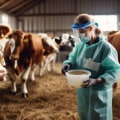
Ensuring proper nutrition for pregnant and lactating livestock is crucial for maintaining their health and the well-being of their offspring. During pregnancy, livestock experience significant physiological changes that increase their nutritional requirements. This period demands a careful balance of energy, protein, vitamins, and minerals to support fetal development and prepare the mother for lactation. Neglecting these needs can lead to complications such as low birth weights, increased mortality rates, and poor milk production. Similarly, lactating livestock require heightened nutritional support to produce high-quality milk.
The quality of milk not only affects the growth and health of the young animals but also impacts the overall productivity of the herd. A well-balanced diet rich in essential nutrients ensures that lactating mothers can meet the demands of milk production while maintaining their own health. This is where livestock health services play a vital role, offering guidance on dietary formulations tailored to the specific needs of pregnant and lactating animals. To achieve optimal nutrition, it is essential to assess the individual needs of each animal based on factors such as breed, age, and stage of reproduction. Regular consultations with livestock health professionals can help farmers develop effective feeding strategies that incorporate high-quality forage, grains, and supplements.
By prioritizing the nutritional needs of pregnant and lactating livestock, farmers can enhance herd health, improve reproductive outcomes, and ultimately boost productivity.
Key Nutrients Essential for Livestock Health
Ensuring proper nutrition for pregnant and lactating livestock is vital for their health and productivity. Key nutrients play a significant role in supporting the physiological changes that occur during these critical periods. Below are some essential nutrients that should be prioritized:- Proteins: Proteins are crucial for the growth and development of the fetus and the production of milk. Pregnant and lactating animals require higher protein levels to support these processes.
Sources of quality protein include soybean meal, alfalfa, and other legumes.
- Vitamins: Vitamins A, D, and E are particularly important. Vitamin A supports fetal development and immune function, while Vitamin D aids in calcium absorption, essential for bone health. Vitamin E acts as an antioxidant, protecting cells from damage.
- Minerals: Key minerals such as calcium, phosphorus, and magnesium are vital for bone development and metabolic functions. Calcium is especially important during lactation to ensure adequate milk production.
A balanced mineral supplement can help meet these needs.
Creating a Balanced Diet for Pregnant and Lactating Livestock
Ensuring a balanced diet for pregnant and lactating livestock is crucial for their health and productivity. A well-formulated livestock nutrition plan not only supports the animal's needs but also enhances the quality of milk and the health of the offspring.To create a balanced diet, consider the following key components:- Energy Sources: Pregnant and lactating animals require higher energy levels. Incorporate high-quality forages, grains, and energy-dense feeds to meet these needs.
- Protein: Adequate protein is essential for fetal development and milk production.
Include protein-rich feeds such as soybean meal, alfalfa, or canola meal in their diet.
- Vitamins and Minerals: Micronutrients play a vital role in overall health. Ensure that the diet includes essential vitamins (A, D, E) and minerals (calcium, phosphorus) to prevent deficiencies.
- Assess Nutritional Needs: Evaluate the specific requirements based on the animal's breed, age, weight, and stage of pregnancy or lactation.
- Monitor Body Condition: Regularly check the body condition score (BCS) to adjust feed intake accordingly. Maintaining an optimal BCS is crucial for reproductive performance.
- Gradual Changes: Introduce any dietary changes gradually to avoid digestive upset. Sudden shifts can lead to metabolic issues.
Regular consultations with livestock health services can provide additional insights tailored to your specific herd needs.
The Role of Livestock Health Services in Nutrition Management
Ensuring optimal nutrition for pregnant and lactating livestock is crucial for their health and productivity.Livestock health services
play a vital role in this process by providing farmers with the necessary tools and expertise to manage their animals' nutritional needs effectively.One of the primary ways livestock health services assist farmers is through consultations with veterinary nutritionists. These professionals are trained to assess the specific dietary requirements of different livestock species, taking into account factors such as age, weight, breed, and reproductive status. By collaborating with a veterinary nutritionist, farmers can develop tailored feeding programs that ensure their animals receive the right balance of nutrients.Additionally, nutrition management involves regular monitoring and assessment of livestock diets.This can include:
- Nutritional Assessments: Conducting evaluations of feed quality and nutrient composition to identify any deficiencies or imbalances.
- Body Condition Scoring: Regularly assessing the body condition of pregnant and lactating animals to ensure they are maintaining optimal health.
- Feed Formulation: Creating customized feed rations that meet the specific energy and protein needs of livestock during critical periods of growth and reproduction.
Common Nutritional Deficiencies in Pregnant and Lactating Livestock
Ensuring optimal nutrition for pregnant and lactating livestock is crucial for their health and productivity.However, various nutritional deficiencies can arise during these critical periods, impacting both the animals and their offspring. Some of the most common nutritional deficiencies include:
- Calcium Deficiency: This can lead to milk fever in lactating cows, characterized by muscle tremors, weakness, and in severe cases, paralysis.
- Phosphorus Deficiency: Symptoms may include poor appetite, reduced growth rates, and reproductive issues such as low conception rates.
- Vitamin A Deficiency: Pregnant and lactating animals may exhibit signs like poor vision, reproductive failure, and increased susceptibility to infections.
- Iodine Deficiency: This can result in goiter in newborns and reproductive problems in adult livestock.
- Regular Nutritional Assessments: Conduct routine evaluations of your livestock's diet to ensure it meets their specific needs during pregnancy and lactation.
- Supplementation: Provide mineral and vitamin supplements as needed, particularly during critical periods when the demand for nutrients is higher.
- Quality Forage: Ensure access to high-quality forage that is rich in essential nutrients to support overall health.
- Consultation with Livestock Health Services: Engage with professionals who specialize in livestock health services to develop tailored nutrition plans based on your herd's specific requirements.
Monitoring and Adjusting Nutrition Throughout Pregnancy and Lactation
Ensuring proper nutrition for pregnant and lactating livestock is crucial for their health and the health of their offspring.Monitoring nutrition
throughout these stages involves regular assessments of body condition, feed intake, and overall health. Here are some key strategies to effectively monitor and adjust nutrition:- Regular Body Condition Scoring (BCS): Assess the body condition of your livestock at various stages of pregnancy and lactation.
A BCS scale typically ranges from 1 to 5, with 3 being ideal. Adjust feeding strategies based on these scores to prevent underfeeding or overfeeding.
- Feed Analysis: Conduct regular analyses of the feed being provided. This includes checking for nutrient content, digestibility, and any potential contaminants. Ensuring that the feed meets the specific needs of pregnant or lactating animals is essential.
- Monitor Feed Intake: Keep track of how much feed each animal consumes daily.
A decrease in feed intake can indicate health issues or inadequate nutrition, necessitating immediate adjustments.
- First Trimester: Nutritional needs are relatively stable, but it’s important to ensure that the diet is balanced to support fetal development.
- Second Trimester: This is a critical period for fetal growth; increase energy and protein levels in the diet to support the developing fetus.
- Third Trimester: Nutritional demands peak during this stage. Ensure that the diet is rich in calcium and phosphorus to support milk production and fetal growth.
- Increased Energy Needs: Lactating animals require significantly more energy than during pregnancy. Adjust their diet accordingly to maintain milk production.
- Hydration: Ensure access to clean water at all times, as hydration is vital for milk production.
FAQs About Nutrition for Pregnant and Lactating Livestock
When it comes to ensuring proper nutrition for pregnant and lactating livestock, several common questions arise among farmers. Here are some frequently asked questions that can help clarify these concerns:- What are the key nutrients needed for pregnant livestock? Pregnant livestock require a balanced diet rich in protein, calcium, phosphorus, and vitamins.
These nutrients support fetal development and prepare the mother for lactation.
- How much should I feed my pregnant or lactating animals? The amount of feed depends on the animal's size, breed, and stage of pregnancy or lactation. Generally, pregnant animals need about 10-20% more feed than usual, while lactating animals may require up to 50% more to support milk production.
- Can I use supplements to enhance nutrition? Yes, supplements can be beneficial, especially if your livestock's diet lacks certain nutrients. Consult with a veterinarian or a livestock nutritionist to determine the right supplements for your herd.
- What are the signs of nutritional deficiencies in livestock? Common signs include poor weight gain, low milk production, and abnormal behavior. If you notice these symptoms, it may indicate a need for dietary adjustments.
- How often should I monitor my livestock's nutrition? Regular monitoring is essential.
Check their body condition score every few weeks and adjust their diet as necessary to ensure they receive adequate nutrition throughout pregnancy and lactation.
Conclusion: The Importance of Proper Nutrition in Livestock Health Services
In conclusion, ensuring proper nutrition for pregnant and lactating livestock is a critical component of effective livestock health services. The nutritional needs of these animals are heightened during pregnancy and lactation, making it essential to provide a balanced diet that supports both the mother and her offspring. Key takeaways include:- Understanding Nutritional Requirements: Pregnant and lactating livestock require increased levels of energy, protein, vitamins, and minerals. Tailoring their diet to meet these needs can significantly impact their health and productivity.
- Regular Monitoring: Implementing a routine monitoring system for body condition scores can help identify nutritional deficiencies early. This proactive approach allows for timely adjustments to their diet.
- Consulting with Experts: Engaging with veterinarians and animal nutritionists can provide valuable insights into formulating appropriate diets.
These professionals can help design feeding programs that align with the specific needs of your livestock.
- Utilizing Quality Feed: The quality of feed plays a vital role in the overall health of livestock. Ensuring access to high-quality forage and supplements can enhance nutrient intake and improve overall well-being.